




Manas Dasgupta
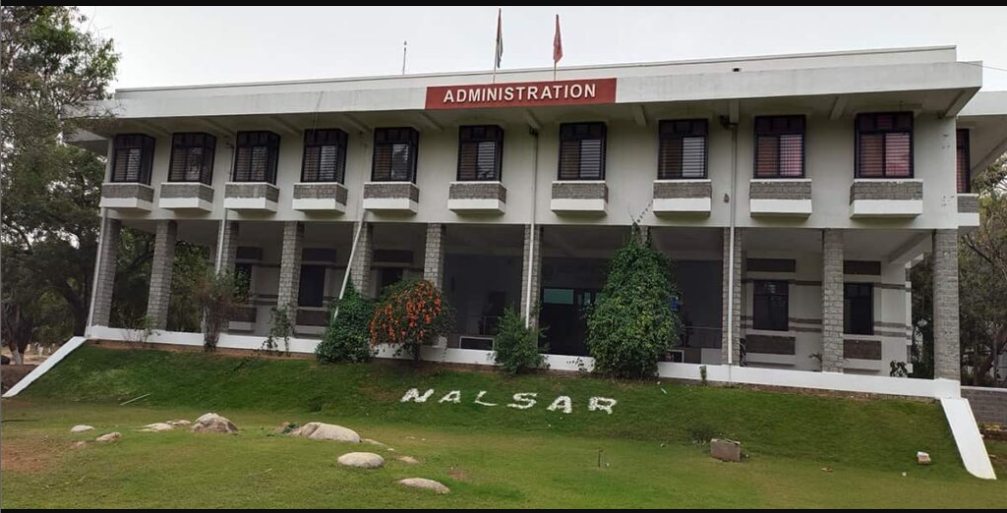
NEW DELHI, Aug 14: The Bar Council of India (BCI) has come under heavy attack from various quarters, including being reprimanded by the Chief Justice of India Surya Kant, for its hasty decision to issue a circular to bar all graduating students this year from the Hyderabad-based NALSAR University of Law from being enrolled as advocates in bar councils across the country for opposing the CJI being invited for delivering the convocation address.
“Who is the BCI to come between the students and me? The Bar Council of India has no business to order such inquiries against students,” CJI Kant said categorically on Friday pointing out that the students have a right to protest. The apex court strongly condemned the BCI’s actions in issuing the circular directing all bar councils in various states not to enrol as advocates the 2026 batch of the graduating students from the NALSAR University.
The Supreme Court also ordered that no coercive actions should be taken against NALSAR students and administrators on the basis of the incidents mentioned in the BCI circulars issued on August 13.
Even though the BCI withdrew its original circular just as hastily as it did in circulating it across the country, an angry Chief Justice of India said the BCI had no business playing havoc with the futures of NALSAR students and that the students have a right to protest. The court also sought an explanation in the form of an affidavit from the BCI about the issuance of these circulars.
Even before the CJI reprimanded the BCI, the Akhil Bharatiya Vidyarthi Parishad (ABVP), the students’ wing of the BJP, had also strongly criticised the BCI for its unthoughtful order to bar the NALSAR students from being enrolled as advocates. Terming BCI’s approach “deeply flawed,” the ABVP argued that students should not be held accountable for alleged wrongdoing in which they had no role.
Though the BCI withdrew its order hours later on Thursday, the initial directive was meant to penalise the graduating batch for their campaign against inviting Chief Justice of India Surya Kant for the university’s convocation due to his comments on last month’s students’ protest in Delhi.
The ABVP said the BCI’s initial directive was arbitrary. “Institutions like the BCI must refrain from issuing such arbitrary directions and ensure that every decision is based on facts, due process, a fair inquiry, and justice,” it said in a statement.
The BCI chairman Manan Kumar Mishra while withdrawing the original circular was compelled to acknowledge that the Council’s initial decision to restrict the enrolment was taken in haste. He added that following deliberations, the BCI had modified its earlier directive and allowed all students from the 2026 batch to enrol with State Bar Councils of their choice.
In its initial communication before the withdrawal, the BCI had directed the State Bar Councils to halt the graduates’ enrolment until further orders, pending an inquiry into a recent campaign by students opposing the proposed participation of Chief Justice of India Surya Kant in the university’s convocation.
The NALSAR students have protested against inviting the Chief Justice of India to the university for their convocation ceremony. The students’ ire draws from the CJI’s reported comments and use of the term “cockroach” in reference to youths. They have also disliked the CJI dismissing petitions for court’s intervention in the alleged police atrocities against students during the protest demonstrations at Jantar Mantar in Delhi by the Cockroach Janta Party (CJP) on the question paper leaks.
Mr Mishra said most students were not involved in the alleged misconduct and should not be penalised for the actions of a few. “The matter had been closed,” he said, adding that the BCI did not want the issue to lead to a confrontation between students and the judiciary.
The issue came up before the Supreme Court on Friday on an oral mentioning by the senior advocate K. Parameshwar for an early hearing on the petition against the BCI pointing out to the court that the BCI had no disciplinary jurisdiction over students and what happens within the four walls of a university.
Mr Parameshwar said the actions taken by the BCI tantamount to a threat to choke the future and livelihoods of students. He said the court should investigate whether the BCI circulars were issued after a resolution passed by the body as a whole or whether it was an initiative of the BCI chairperson, senior advocate Manan Kumar Mishra.
The court agreed with Mr Parameshwar, directing the BCI to come clear on this point. Advocate Radhika Gautam, appearing for the BCI, agreed to get instructions and file the affidavit. The court issued notice on the petition represented by Mr Parameshwar, and posted the case for hearing next week.
The BCI circular that came under attack was issued on Thursday, and was withdrawn the same night, had directed all State Bar Councils not to enrol students who graduated from NALSAR University of Law, Hyderabad, until further orders, pending an inquiry into a recent campaign by students opposing the proposed participation of the CJI in the university’s convocation.
The circular had very strongly condemned the students’ campaign against the CJI being invited and had even said those who had no sense of regard for the highest Judicial Office of the country, was “not expected to be a responsible or sensible Advocate, Teacher or a Judge. Such persons shall always be a liability in the profession.”
However, it later withdrew the order, issued by its Chairman Manan Kumar Mishra, saying that all graduates would be free to enrol with the State Bar Council of their choice. In the latest communication, the BCI said its members had unanimously concluded that the “vast majority” of the 2026 graduates were innocent and had not been inclined to participate in what the Council described as a “move of disrespect.”
The BCI, however, said it would await the inquiry report from the NALSAR Vice-Chancellor before deciding on further action. “No student shall be made to suffer without any fault on his part,” it said in the revised statement.
The dispute followed a representation by NALSAR students opposing the proposed participation of the Chief Justice Kant as the chief guest at their convocation, citing his remarks during proceedings concerning alleged police excesses against NEET protesters in the national capital.
In its previous communication, the BCI had sought an authenticated report from the NALSAR Vice-Chancellor on the campaign and asked the university to identify those who were principally instrumental in initiating, organising, coordinating or mobilising the campaign. It had also sought details of the representation submitted to the university and its signatories.
In its revised communication, the BCI said it had received information from “some reliable sources” that a “handful of teachers and outsiders” had been instrumental in “instigating the innocent students.” The Council said it would take further action after receiving and examining the Vice-Chancellor’s inquiry report.
The BCI’s initial communication had said participation in the campaign needed to be examined in the context of the standards of conduct expected of persons seeking entry into the legal profession. It had also distinguished between legitimate expression and conduct involving “organised intimidation, coercion, personal vilification, disruption, obstruction or an organised call for boycott” directed against a constitutional functionary or an institutional programme.
“A student of Law, having no regard or respect for the highest Judicial Office of the country, is not expected to be a responsible or sensible Advocate, Teacher or a Judge. Such persons shall always be a liability in the profession,” the BCI said in the initial communication.
“Such conduct, reflects adversely upon the person’s suitability for entry into or association with the legal profession and is inconsistent with the dignity, discipline and ethical standards of the legal profession. Our experience is that such people are always indulged in strikes and boycotts and tarnish the image of the Legal Profession,” it read.
It had asked the NALSAR Vice-Chancellor to furnish an authenticated report within three days, including a copy of the representation submitted to it. The university had also been asked to identify the students principally instrumental in initiating the campaign against CJI Kant.
“The final decision in the matter would be taken on 19th August, 2026, after receipt of the report from the Vice-Chancellor,” the BCI had said.
The Council further stated that as per “reliable sources, there exists groupism and dirty politics among some of the academic staff and they have played a very active role in misleading, instigating and misguiding the students… The teachers, instead of involving themselves in their teaching job, are doing nasty politics on the campus.” The BCI, it said, being the regulator of legal education in the country, “cannot be a mute spectator of such a serious situation.”