



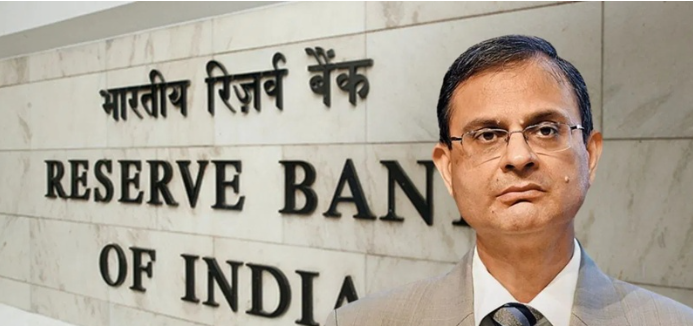

Virendra Pandit
New Delhi: Amid the ongoing war in West Asia and concerns about the impact of uneven monsoon rains, the Reserve Bank of India has said the country’s ongoing growth is expected to continue, the media reported on Thursday.
India’s central bank has reiterated that the South Asian country’s economy remains resilient. However, the Iran war and a deficient monsoon could pose risks to the outlook, according to its monthly economic report.
“The domestic economy has navigated the external uncertainties well, underpinned by healthy demand conditions and resilient performance of the industrial and services sector,” the RBI said in its State of the Economy report for July 2026, released on Wednesday.
High-frequency indicators also suggested robust industrial performance and a resilient services sector, it said.
The RBI is expected to keep interest rates unchanged at its August 5 policy meeting, making it one of the few central banks in the region that has not changed policy in response to the West Asian conflict.
Its Governor Sanjay Malhotra has indicated that the policy rate is likely to remain at 5.25 per cent, unless price pressures become broader.
The southwest monsoon, which accounts for about 70 per cent of India’s annual rainfall, is vital for the USD 300 billion farm economy and has an outsized influence on food prices, rural demand and broader economic output. The Iran war adds another risk, with India importing more than 85 per cent of its crude oil needs, raising the risk of imported inflation.
Despite the headwinds, the central bank expects the economy to grow 6.6 per cent in the fiscal year through March 2027. It projects inflation to average 5.1 per cent, citing risks from higher oil prices and an uneven monsoon that has delayed the sowing of some key crops.
In its latest report, the RBI said “the farm sector is witnessing an uneven southwest monsoon, but the impact on food inflation may be mitigated by comfortable foodgrain stocks.”