



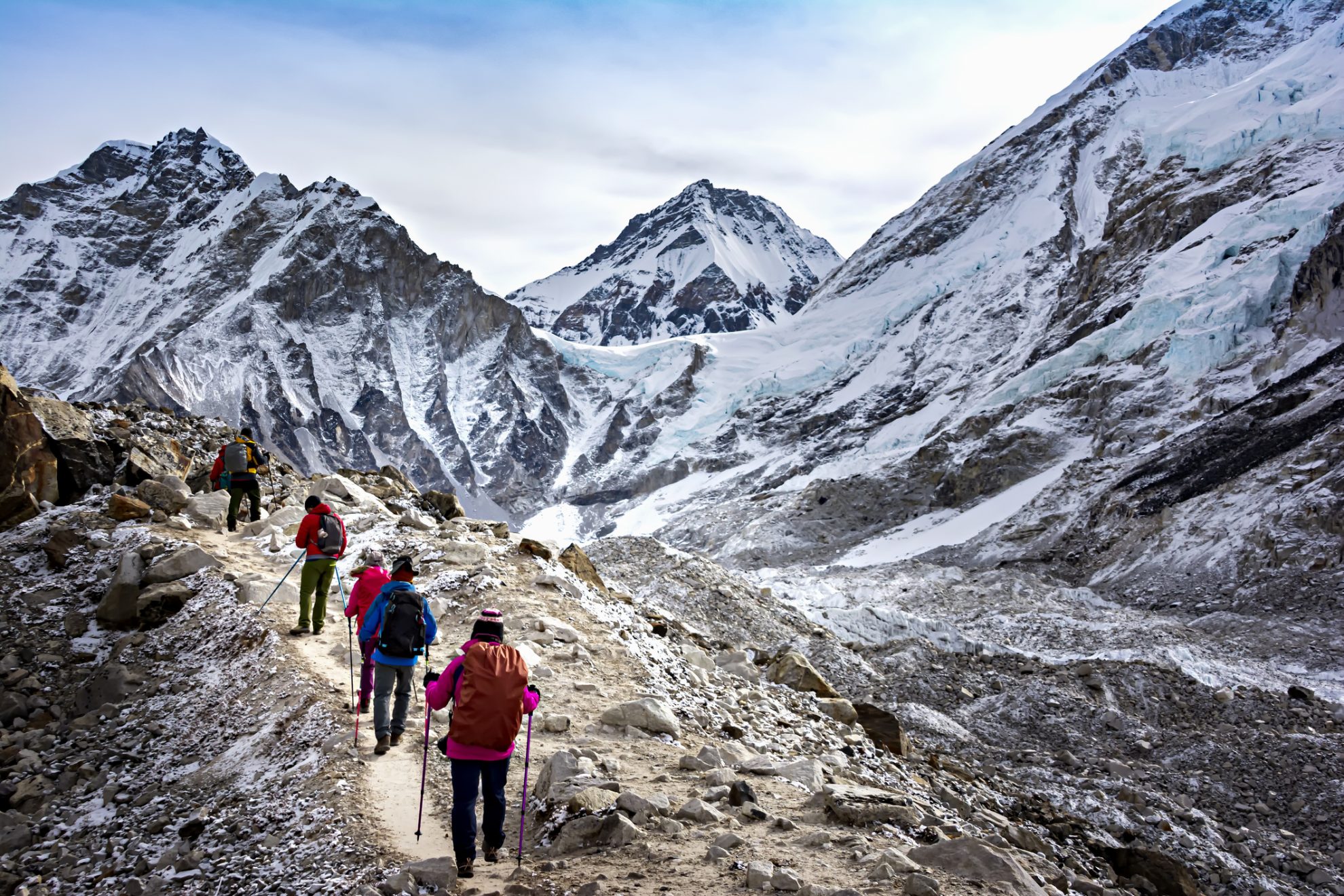

Nepal: Nepal’s immigration department has suspended the issuance of trekking permits for restricted areas of high mountainous and Himalayan regions from October 29 to 31 in view of the threat of heavy snowfall, snowstorm and avalanches. The decision was taken following a warning from the National Disaster Risk Reduction and Management Authority advising tourists to avoid travel to such areas during these three days.
Cyclone Arnab in the Bay of Bengal is strengthening
The special bulletin issued by the Nepal Meteorological Department had earlier warned that Cyclone Arnab in the Bay of Bengal is strengthening and its impact may increase the risk of heavy rains, strong winds, snowfall and avalanches in many parts of Nepal.
Trackers should postpone their travel during this period to reduce risk, says Immigration Department
The Department of Immigration, which issues trekking permits to foreign nationals for restricted areas, said in a statement that trackers who have already received permits should also postpone their travel during this period to reduce the risk. “Trekkers who have already embarked on the journey are requested to stay in safe places. The immigration department has also appealed to tracking agencies, trackers, guides and other concerned parties to follow this directive.
National Disaster Management Authority warns
On the other hand, the National Disaster Management Authority has warned that normal life may be affected along with road and air transport services due to inclement weather. People have been advised to avoid unnecessary travel. People should avoid staying especially on the banks of rivers and in high-risk areas that may be affected by floods, the authority said. At the same time, it has been asked to keep a constant watch on the forecasts and warnings issued by the Meteorological Department and other government agencies.
Such warnings are being issued continuously in Nepal
Such warnings have been issued continuously in Nepal in recent weeks. On August 26, around 1500 people were killed in the devastating floods caused by an avalanche near the Nepal-China border that blocked the flow of the river and later broke the natural dam, while more than 5000 people are still reported missing. Many settlements, roads, bridges and power infrastructure were washed away in this flood. The World Bank has estimated the physical damage caused by this disaster at about $1.66 billion.
[DD News]