



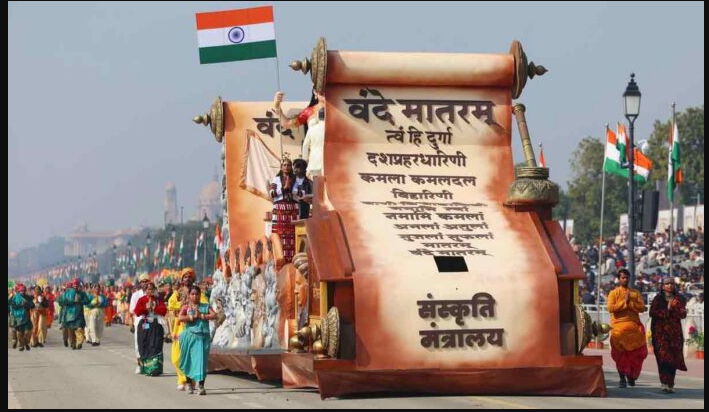

NEW DELHI, July 30: After the Rajya Sabha, Lok Sabha also passed a bill on Thursday to make insult to the national song ‘Vande Mataram’ a criminal offence. The bill will now be sent to President Droupadi Murmu for her assent to become an act.
While piloting the bill, the Minister of State for Home Affairs Nityanand Rai said, “the Vande Mataram bill is not merely an ordinary bill but represents India’s soul, national awareness and cultural heritage and reminds us of the freedom struggle.”
Taking on the Congress, the minister said, “don’t know why a few people are opposed to Vande Mataram, or why Congress is particularly opposed to Vande Mataram. There has been a discussion about making penal provisions for disrespecting the national song through this bill. Opposing Vande Mataram means the Congress has been always working to disrespect the pride of this country by adopting a policy of appeasement. Why is the Congress and its allies protesting?”
Under the proposed law, anyone found intentionally insulting Vande Mataram or deliberately obstructing its rendition could face: Imprisonment of up to three years and fine or both imprisonment and fine.
The government is bringing the Bill as part of the year-long celebrations marking the 150th anniversary of Vande Mataram.
- The Bill also outlines a set of guidelines regarding the rendition of the national song. These include: It should be sung at all government functions, It should be performed before the commencement of official programmes, All six stanzas should be rendered, the complete rendition should take approximately 3 minutes and 10 seconds, People should remain in the attention position while it is being sung and that Schools should play or sing Vande Mataram before the morning prayer.
Vande Mataram was composed by Bankim Chandra Chattopadhyay. The national song consists of six stanzas and is written in a blend of Sanskrit and Bengali. It was first sung publicly in Calcutta in 1896 and originally appeared in Bankim Chandra’s celebrated novel Anandamath. Over the decades, the song has become one of the most enduring symbols of India’s freedom movement and national identity.
(Manas Dasgupta)