Tariffs & trade: The US-India deal likely by March 2026, says Nageswaran







Virendra Pandit
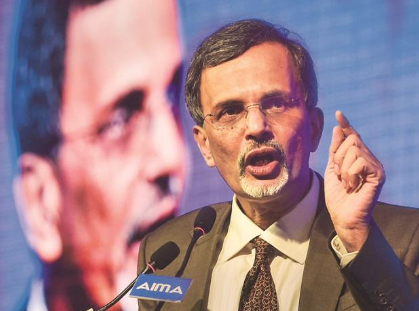
New Delhi: India’s Chief Economic Adviser V. Anantha Nageswaran said he expects the long-pending India–US trade deal to be signed by March 2026, noting that most trade issues have already been resolved, the media reported on Thursday.
The first phase of the deal, covering tariff rationalisation, was originally targeted for completion this fall but missed the deadline.
Dr. Nageswaran told a media outlet that he would be surprised if an “elusive” trade deal with the US isn’t signed by March 2026, as most trade-related issues have been resolved.
“I was hoping something would be done by the end of November, but it has turned out to be elusive,” he said.
“That’s why it is difficult to give a timeline on this. However, I would be surprised if we don’t have it sealed by the end of the (current) financial year.”
A team of US trade negotiators is currently in India as both countries work to resolve differences and finalize a trade deal crucial for New Delhi to secure relief from Washington’s punitive 50 percent tariffs imposed in August. The negotiations, now in the seventh round, have dragged on for months.
The two nations had initially agreed to wrap up the first tranche of the deal, which covers the tariff rates, by fall (September 2025) this year. After missing that deadline, Indian officials in recent weeks have expressed optimism that the two sides could clinch the initial deal before the end of the year.
“I believe this is as much a matter of geopolitics as it is of bilateral trade,” the CEA said. “Right now, it is very difficult to put a timeline to it.”
Trade uncertainties have influenced GDP projections, but the “domestic economy is doing rather well,” Dr. Nageswaran said, adding that exporters have managed to withstand tariff effects and “partially offset the negative fallout by diversifying into other markets.”
India’s potential growth has improved due to structural reforms over the past decade, he said, adding that the country can sustain high growth with moderate inflation. Consumption demand is faring well and the rural economy is in “very good shape.”
“The economy has surprised us with better performance than we anticipated early in the forecast cycle. I will not be surprised if something like this happens for 2026–27 as well,” he said.
A weak rupee, estimated by the CEA to have lost 5–15 percent of its value against India’s trade competitors, has been beneficial for the economy overall. “Having a weaker rupee at this point is not a major problem, as it benefits the export sector given global uncertainties,” he said.