Delhi’s new EV policy offers end-to-end roadmap for cleaner mobility: CM Rekha Gupta


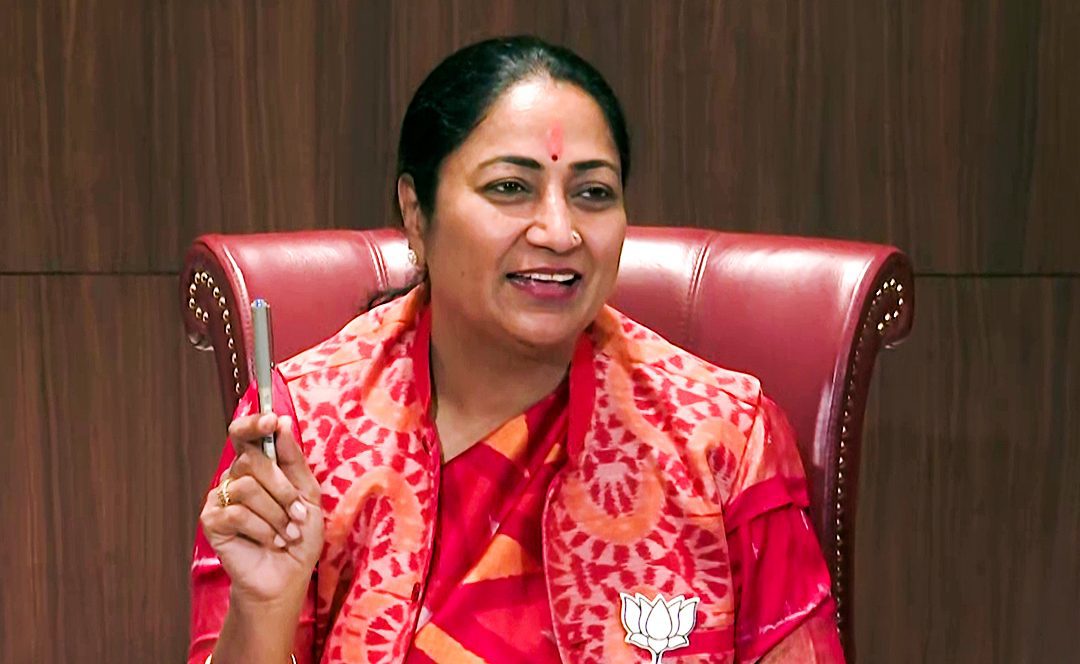
New Delhi: Delhi Chief Minister Rekha Gupta on Sunday said the government’s new Electric Vehicle (EV) Policy aims to provide an end-to-end solution to tackle pollution, strengthen clean mobility and make electric vehicles the preferred mode of transport in the national capital.
Addressing concerns over the policy, CM Gupta said it has been designed not just around purchase incentives but also around charging infrastructure, vehicle scrapping, e-waste management and long-term environmental sustainability.
“The EV policy was a pressing need for the city. It was important to bring it within a framework that provides end-to-end solutions. We have not only provided subsidies, but also scrapping incentives, focused on charging infrastructure, introduced mandates and prepared a comprehensive plan for an e-waste plant,” she told IANS.
Highlighting the government’s efforts to curb pollution, the Chief Minister said the administration has worked on multiple fronts, including dust mitigation, large-scale plantation drives and reducing vehicular emissions.
“Pollution is one of Delhi’s biggest challenges. We have worked on a 360-degree solution. Along with dust mitigation and a plan to plant 70 lakh trees, we have focused on reducing vehicular emissions by promoting electric mobility,” she said.
CM Gupta said Delhi already has around 4,500 electric buses, the highest among Indian states, and the government has floated fresh tenders under the PM E-Drive initiative to further expand the fleet.
“We are encouraging people to adopt EVs, whether two-wheelers, three-wheelers, cars, N1 trucks or N2 trucks. Subsidies on vehicle purchases, scrapping incentives, registration fee waivers and road tax exemptions will make EV ownership more affordable while also benefiting the environment,” she said.
On the government’s target of achieving over 30 per cent EV adoption by 2030, the Delhi CM stressed that charging infrastructure remains the backbone of the transition.
“People will buy EVs only if they are confident that adequate infrastructure is in place. Delhi currently has around 9,000 charging points, and our target is to increase this to 32,000. We have assigned responsibilities to OEMs, RWAs, housing societies and business institutions. The government will also create a single-window platform for all approvals to make the installation of charging stations easier,” she told IANS.
Addressing concerns over existing petrol and diesel vehicles, CM Gupta clarified that owners need not worry as the transition will happen in phases.
“Nothing changes overnight. It takes years and has to happen gradually. Existing petrol and diesel vehicles can continue to operate as long as they are legally permitted. There is no reason for the public to be confused,” she said.
CM Rekha Gupta added that from January 1, 2027, only electric autorickshaws will be registered in Delhi, while from April 2028, registrations will be limited to electric two-wheelers. Existing vehicles will continue operating until the end of their permitted lifespan.
“Without such phased mandates, a policy involving government investment of Rs 15,000 crore would be meaningless,” she said.
On the exclusion of e-rickshaws from the current policy, the Delhi Chief Minister said the government would introduce a separate framework after consultations with stakeholders.
“E-rickshaws are a major subject in themselves. Many livelihoods depend on them. At the same time, they are linked to road safety and traffic congestion. That is why we have not included them in this policy. We will soon bring a separate policy after consulting all stakeholders,” she said.
Responding to concerns over increased electricity demand, CM Gupta asserted that Delhi’s power infrastructure is ready to support large-scale EV adoption.
“We are already providing 24-hour electricity. We have strengthened substations, improved power supply planning and are expanding solar energy. Government buildings are being transitioned to solar power, and subsidies are being provided for rooftop solar installations. People will not face electricity-related issues,” she said.
On concerns that stricter EV norms could encourage buyers to purchase petrol vehicles in neighbouring states such as Uttar Pradesh, CM Rekha Gupta said the government would continue to prioritise Delhi’s environmental interests.
“If someone wants to find a way around the policy, they can. But those who love Delhi and are connected to the city will certainly support this EV policy. We will continue to improve it by understanding the concerns of both the public and the government,” she said.
“The steps we have taken were necessary to improve transportation in Delhi. I believe the city is continuously moving towards smart transportation, and through these efforts we will make Delhi a better and cleaner city,” she added.
The Delhi government’s new EV Policy is valid until March 31, 2030, and seeks to make electric vehicles the default choice in the capital. It provides substantial purchase subsidies, introduces phased deadlines for transitioning away from petrol-powered vehicles in select categories, and applies to all pure electric vehicles while excluding strong hybrid vehicles from subsidy benefits.
(DD News)