Trump @ it again! PM Modi is “very good,” knows the US President is unhappy!




Virendra Pandit
New Delhi: Ever since he became a politician in the 1980s, Donald Trump has never ceased to amuse those who cared to listen to him. Attention-seeker, he is currently busy preparing for or fighting wars, after he failed to secure a Nobel Peace Prize for himself in 2025, despite causing “eight ceasefires!”
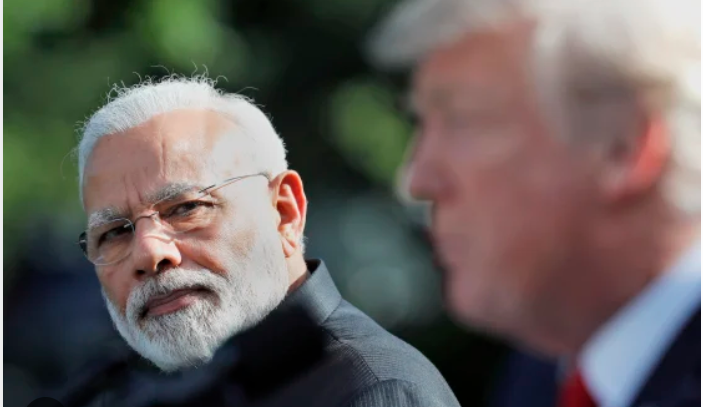
After a few weeks of lull, he returned to his “great friend”, Prime Minister Narendra Modi, showering praise on him—and then…
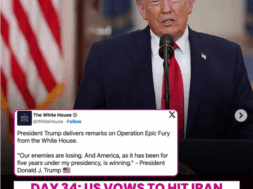
On Sunday, Trump threatened to impose fresh tariffs on India if New Delhi continued to import Russian oil, and said PM Modi was ‘aware of his displeasure’ on the issue.
Speaking to reporters aboard Air Force One, he said it was important for India to ‘make me happy.’ “Prime Minister Modi’s a very good man. He’s a good guy. He knew I was not happy. It was important to make me happy. They do trade, and we can raise tariffs on them very quickly,” Trump said.
His latest warning to India, the media reported on Monday, comes amid growing scrutiny in Washington over India’s energy trade with Russia. New Delhi has defended its oil purchases as essential for domestic energy security. The comments came just weeks after Trump and PM Modi held a telephonic conversation, and stressed the importance of maintaining momentum in bilateral trade ties despite ongoing tariff-related issues.
Their call coincided with a fresh round of bilateral negotiations between Indian and US officials aimed at resolving the long-standing trade impasse. Only days before the conversation with PM Modi, Trump had threatened to impose new tariffs on Indian rice imports. The warning followed complaints by a US farmer representative at a White House roundtable, who alleged dumping by India, China and Thailand.
The US strike on Venezuela has brought the issue of oil into the forefront of geopolitics once again.
America’s neighbour, Venezuela has the world’s largest oil reserves, at over 303 billion barrels, or 17 percent of global reserves. But production dwindled to 1 million barrels per day due to US sanctions and underinvestment.