Roving Periscope: Pro-Islamabad Dhaka sentences Hasina to death for “crimes against humanity”






Virendra Pandit
New Delhi: Given Bangladesh sleeping with its ex, Pakistan, and its increasing anti-India stance by going closer than ever to China—and, of course, the USA–nobody was surprised when a special kangaroo tribunal in Dhaka on Monday sentenced ousted Prime Minister Sheikh Hasina Wajed to death in absentia for alleged “crime against humanity.”
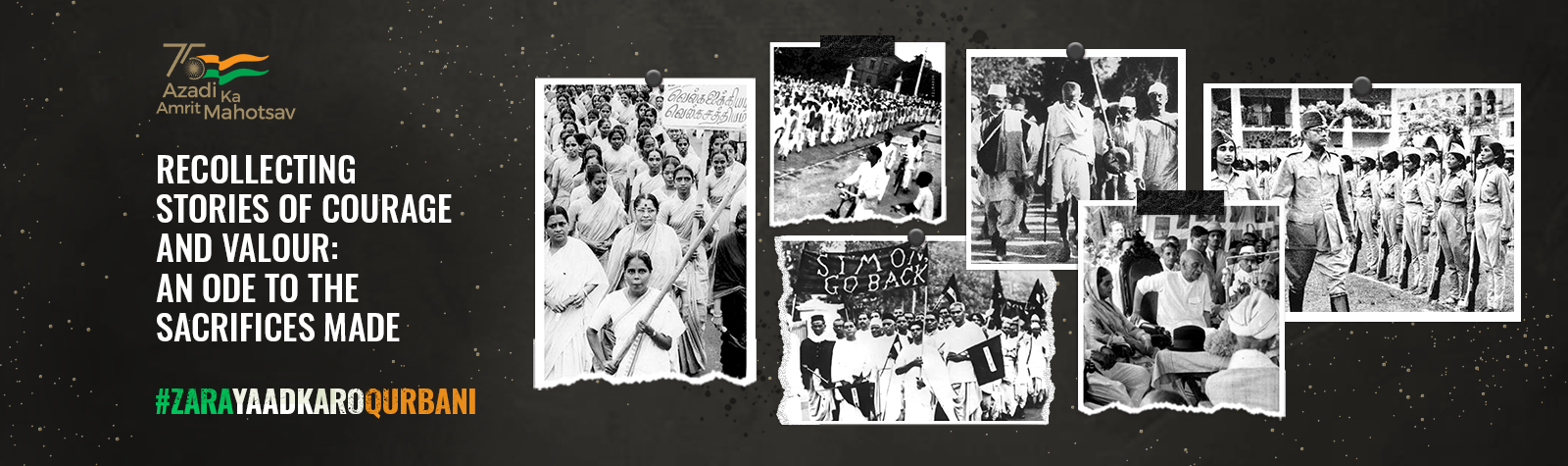
Because of her perceived ‘pro-India’ stance, she had long become an eyesore not only for Pakistan but also for China and the USA, who wanted to call the shots in Bangladesh for their respective geopolitical interests. The Islamist-led ‘students’ protests’ against her government came in handy for them to plot her ouster in August 2024, change the regime, and thrust Muhammed Yunus, 85, whom they had been grooming for a long time, to take over as “Chief Advisor” of the Interim Government.
In its ‘judgement,’ the so-called International Crimes Tribunal-Bangla Desh (ICT-BD), set up by the West’s puppet, to get even with his long-time foe Hasina, said the prosecution had proved beyond a reasonable doubt that the former PM was behind the deadly crackdown on student-led protests in July-August 2024, during widespread protests against her Awami League-led government.
It said she incited violence, issued orders to kill protesters and failed to protect the civilian population. The court also said Hasina did not join the trial despite summons and said her “abscondence is suggestive of guilt.”
Hasina has trashed this ruling, saying she was not given a fair opportunity to defend herself, that there is “nothing international” about the ICT-BD which is not impartial. “Its guilty verdict against me was a foregone conclusion, but no genuinely respected or professional jurist in the world would endorse the ICT-BD,” an Awami League statement quoted her as saying.
“There is no other motive than the personal pursuit of revenge against a democratically-elected government that upheld the nation’s independence and sovereignty,” she said.
The ruling came ahead of the likely February 2026 referendum-cum-parliamentary elections. Some analysts fear that the stage-managed referendum and elections might even lead to Bangladesh’s ‘reunification’ with Pakistan.
Hasina, 78, who has been living in India since her government was toppled by Islamist-led student protesters on August 5 last year, was earlier declared a fugitive by the court, the media reported.
The tribunal’s ruling is being seen as an attempt to prevent her from returning to Bangladesh ahead of the elections and amid renewed protests by her Awami League members.
Reading out the judgment before a heavily guarded courtroom in Dhaka, the tribunal said the prosecution had proved beyond a reasonable doubt that Hasina was behind the deadly crackdown on student-led protests.
A United Nations rights office report had earlier estimated that up to 1,400 people were killed during the month-long agitation, known as the July 2024 Uprising.
Hasina was handed the death penalty for ordering the alleged use of deadly force against unarmed protesters, making inflammatory statements and authorising operations that led to the killing of several students in Dhaka and surrounding areas.
Her death sentence came five decades after she survived a midnight coup in 1975 during which all her family members, including her father and Bangladesh’s founding President Sheikh Mujibur Rahman, were massacred by pro-Pakistani Islamists. She survived as she was in India the time.
The Awami League leader, was found ‘guilty’ of ordering the killing of protesters during the July movement. Hasina incited attacks against student protesters and failed to protect them, the tribunal claimed.
The ruling marks the 50-year journey of the Bangladesh leader, the country’s longest-serving Prime Minister, from being a survivor of a massacre to being blamed and convicted for hundreds of killings.
Addressing her party supporters ahead of the verdict, Hasina said it was a sham trial. She alleged that Yunus wanted to finish off her party, that she will continue to work for the people of Bangladesh, and that every act of injustice will be accounted for.
On August 15, 1975, Sheikh Mujibur Rahman, his wife, three sons and two daughters-in-law were massacred at their residence in Dhaka’s Dhanmondi. A group of pro-Pakistani and Islamist Bangladesh Army personnel stormed the residence and massacred 36 people in cold blood in what is among the bloodiest coups in world history.
Hasina, her husband and children, Sajeeb Wazed and Saima Wazed, and her sister, Rehana, took refuge in India after the massacre.
In 1981, while she was still in India, Sheikh Hasina was elected President of the Awami League, once led by her father, fondly known as Bangabandhu for his role in the country’s freedom movement and independence from Pakistan in 1971.
After the 1991 election, the Bangladesh National Party (BNP) formed the government, and the Awami League was the main opposition. Hasina served as the Leader of the Opposition.
In the 1996 election, Hasina’s Awami League posted a strong performance, and she took over as Prime Minister, got re-elected in 2009, and stayed in the top post until her ouster last year.
Her years as Prime Minister saw a boost in New Delhi’s ties with Dhaka. From cooperation in border security to infrastructure to counter-terrorism operations, this era is viewed as the golden era of the Delhi-Dhaka partnership, something anti-India elements despised.
It is this longstanding camaraderie that prompted India to give refuge to her after the regime change in Bangladesh in 2024, despite the Yunus regime’s persistent demands to hand her over.
Months after she began her fourth term as Prime Minister in early 2024, protests were organized in Bangladesh against the reservation system, under which family members of Muktijoddhas — those who took part in the 1971 Bangladesh freedom struggle – were given preference in education and jobs.
Responding to the protests, she remarked, “If the grandchildren of freedom fighters should not get quota benefits, should they go to the grandchildren of the Razakars?”
Razakar were the pro-Pakistani Islamist extremists in East Pakistan who opposed the creation of Bangladesh in 1971 and perpetrated numerous atrocities against the country’s freedom fighters.
Hasina’s remark lit the spark, infuriated Islamists, and the protests against the quota system snowballed into a full-fledged movement for her ouster. She responded by cracking down hard. Some estimates say the casualties crossed the 1,000-mark.
With support from anti-Hasina elements, the state crackdown failed to contain the movement, and the protesters reached right at Hasina’s doorstep, forcing her to escape to India with her sister Rehana, where she has stayed since.