


Virendra Pandit
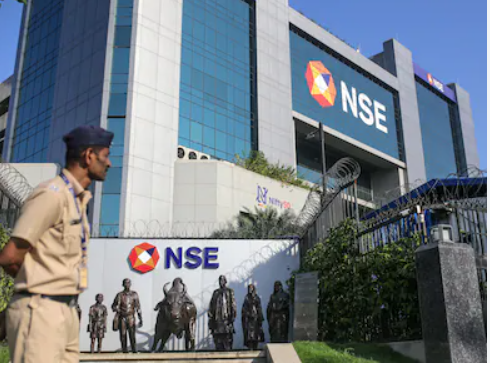
New Delhi: Amid hopes of a thaw in the West Asian war in the context of US President Donald Trump’s China visit, the Nifty50 and the Sensex on Thursday ended sharply higher as gains in pharma, healthcare, and metal stocks supported.
The Nifty50 settled 277.00 points or 1.18 per cent up at 23,689.60, and the Sensex rose 789.74 points or 1.06 per cent to 75,398.72.
Adani Enterprises, Cipla, and Bharti Airtel were the top gainers in the Nifty50 index. In the broader markets, the Nifty MidCap was up 1.12 per cent, and the Nifty SmallCap was down 0.01 per cent.
Sector-wise, the Nifty Pharma, the Nifty Healthcare, and the Nifty Metal rose the most. Meanwhile, the Nifty IT declined the most.
Investors monitored the outcome of President Trump’s meeting with his Chinese counterpart Xi Jinping’s meeting. Xi said that the talks would assist in laying out a vision for stable ties with the US.
The Indian rupee
The rupee, however, fell to an all-time low on Thursday, pressured by stubbornly high oil prices and persistent portfolio outflows that have strained the current and capital balances of Asia’s third-largest economy, the media reported.
The rupee fell 0.2 per cent to 95.9575 per US dollar, eclipsing its previous record low of 95.7950 hit on Wednesday. It closed at 95.7625, down marginally from its previous close.
The currency trimmed losses after reports that India is considering a reduction in the taxes paid by foreign investors on the nation’s bonds.
Policymakers have been studying ways to mobilise dollar inflows to bolster foreign exchange buffers and cushion rising pressure on the rupee, Reuters reported last week.
The months-long Iran war that has pushed up crude and gas prices sharply amid supply disruptions threatens to slow growth and lift inflation in India, which imports about 90 per cent of its oil needs and about 50 per cent of its cooking gas requirements.
India is facing the third consecutive year of a balance of payments deficit, prompting economists and traders to bake in expectations of persistent rupee weakness even as central bank interventions curb excessive volatility.
Prime Minister Narendra Modi has urged citizens to conserve foreign exchange reserves, while his government has hiked tariffs on precious metal imports.
The Reserve Bank of India has sold down FX reserves to cushion the pressure and tapped rare regulatory measures to support the currency.
Meanwhile, government data showed wholesale inflation quickened to a three-and-a-half-year high in April, one of the first clues of the impact the energy shock has had on India’s economy.