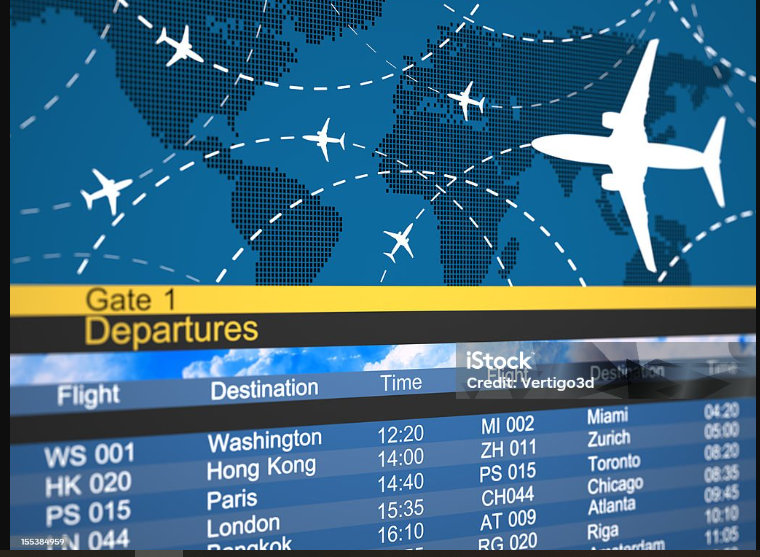








NEW DELHI, Mar 26: midst rising costs and uncertainty triggered by the West Asia conflict, the airlines operators in India have cut about 3,000 flights per week in the summer schedule beginning from March 29 compared to the number of flights operated in summer last year, sources said.
The Government, however, has not commented on the reported capacity cut so far. Indian airlines had operated 25,610 weekly flights in the last year’s summer schedule, up from 24,275 in 2024. The number is now expected to fall to around 22,600 weekly flights this summer schedule that comes into effect from March 29 and will continue till October 31.
“Around 12% fewer flights will operate this summer as compared to those that operated in the same schedule last year,” the sources said. Airlines are scaling back capacity due to rising operating costs particularly fuel and foreign exchange and concerns that travel demand could weaken if geopolitical tensions in West Asia persist, the sources added.
In a statement, the country’s largest airline IndiGo said, “IndiGo intends to start its domestic summer schedule with nearly 2,000 daily flights in April. IndiGo’s international schedule was planned at similar levels to winter, but the deployed scale will, of course, vary based on ongoing circumstances in the West Asia. It should be noted that there is a very material escalation in operating costs, with fuel and forex related costs expected to continue to increase very substantially, in addition to what is already an escalating cost environment.”
“While we have introduced a fuel surcharge to compensate for some of this cost, this and other fare increases required will have an effect on demand. This is an extremely fluid operating environment which the airline will be closely monitoring and recalibrate its capacity accordingly both in domestic and international,” an airline spokesperson said.
Industry executives said airlines may also raise fares from April and could ground aircraft if aviation turbine fuel (ATF) prices continue to rise. “There is sentiment that passengers, including those booked for leisure travel, may defer their plans due to the West Asia crisis. If the load factors are poor, it makes more sense to cancel or club flights or ground an aircraft in the worst case scenario,” an airline industry official said.
Meanwhile, the ministry of civil aviation has withdrawn the temporary fare caps on domestic airfares that had been in place since December, saying the situation that prompted the controls had stabilised — but warned airlines that excessive pricing would invite re-imposition of controls.
(Manas Dasgupta)