


Virendra Pandit
New Delhi: A potential US-India interim trade deal, expected this month, may lower America’s tariffs on Indian imports to less than 20 percent, the media reported on Saturday.
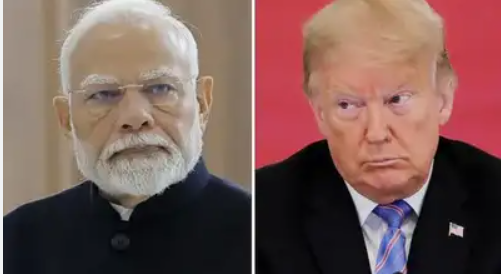
The deal may also force some other nations, including China, to come to terms with the US, whose President Donald Trump, in February, described Prime Minister Narendra Modi as a “much tougher negotiator than me.”
The deal, yet to be formally announced, will provide space for continued negotiations and could place India among the few nations with favorable trade terms under the Trump administration.
India and the US are progressing toward an interim trade deal that may set tariff rates below 20 percent, shielding India from the steep hikes the US has recently imposed on many other nations.
India doesn’t expect to receive a tariff demand letter — unlike many other nations this week — and anticipates the trade arrangement will be announced through a statement. The interim deal would allow for continued talks, giving New Delhi space to resolve outstanding issues ahead of a broader agreement expected this fall, the reports said.
It would likely set a baseline tariff below 20 percent — compared with 26 percent initially proposed in April — and allow the two sides to continue negotiating the rate as part of the final pact. The timing of an interim agreement is, however, still unclear as the two sides remain engage in intense negotiations.
If finalized, India would be on a short list of the few trading partners that have secured deals with the Trump administration. US President Donald Trump has otherwise shocked dozens of trading partners this week by announcing tariff rates of as high as 50 percent in some cases ahead of an August 1 deadline.
New Delhi is seeking to secure a deal on more favorable terms than the one Trump said he signed with Vietnam, which included 20 percent import duties. Vietnam was caught off guard by that rate, and is still seeking to bring it down. The UK is the only other country that Trump has announced a trade deal with.
On Thursday, the US President told NBC News he’s eyeing blanket tariffs of 15 to 20 percent on most trading partners who haven’t been informed yet of their rates. The current global baseline minimum levy for nearly all US trading partners is 10 percent.
Tariff rates announced for Asian nations so far range from 20 percent for Vietnam and the Philippines, to 40 percent for Laos and Myanmar.
India was among the first nations to approach the White House for trade talks early this year, but signs of strain have emerged in recent weeks. While Trump said earlier this week that an agreement with India is close, he has also threatened additional tariffs over the South Asian country’s participation in the BRICS Summit held last week in Brazil.
A team of Indian negotiators is expected to visit Washington soon to advance the talks.
India has already proposed its best offer to the Trump administration, making clear the red lines it won’t cross in finalizing an agreement.
Both sides have dug in their heels over a few key issues including Washington’s demand that India open its market to genetically modified crops, which New Delhi rejected, citing risks to its farmers.
The two nations are yet to find a landing zone on contentious issues, including non-tariff barriers in agriculture and regulatory processes in the pharmaceutical industry.