





Manas Dasgupta
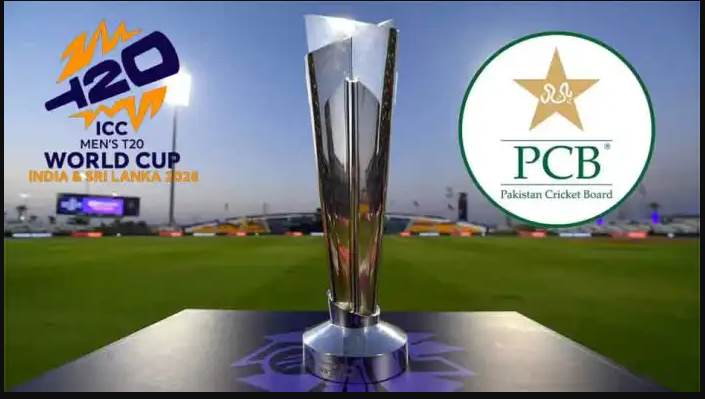
NEW DELHI, Feb 3: With no other cricket boards supporting Pakistan’s “selective participation” in the coming T20 World Cup jointly hosted by India and Sri Lanka from February 7, playing in the tournament but boycotting its match against India, the Pakistan Cricket Board (PCB) is finding itself on a sticky ground.
The International Cricket Council (ICC), though yet not officially informed about Pakistan’s selective participation, has already warned it of “long-term sanctions.” Other boards have reportedly reminded the PCB that “selective participation” is difficult to reconcile with the fundamental premise of a global sporting event.
Instead of leading a movement, the PCB now finds itself cornered, facing the prospect of massive financial penalties (estimated at over $38 million), the forfeiture of crucial World Cup points, and potential suspension. There still remains some time for Pakistan to implement a course correction. If not, the days of total financial ruin might not be far off.
The ICC has warned the Pakistan Cricket Board that it faces the prospect of legal action from T20 World Cup’s official broadcasters JioHotstar for boycotting its February 15 game against India, a PCB source said on Tuesday. Pakistan decided to boycott the match in Colombo on February 15 on instructions of their government but haven’t yet officially specified the reasons to ICC.
Sources said there was a possibility that the ICC would withhold the entire annual revenue share of Pakistan, which is around USD 35 million and pay the broadcasters from that purse. A PCB source informed that although chairman Mohsin Naqvi had taken advice from the board’s legal experts before briefing PM Shehbaz Sharif on the issue last week, the board was bracing for some serious consequences.
“If Pakistan doesn’t relent and play against India, not only will they face financial penalties, perhaps a lawsuit from broadcasters but also any efforts to go to the ICC Dispute Resolution Committee (DRC) are likely to fail,” PCB sources said. ICC’s DRC is an internal committee which doesn’t hear appeals against the decisions made by its own board.
“The PCB might face problems regardless of their government directive to not play India as they are playing all their matches at a neutral venue (Sri Lanka) as per their wishes and not in India,” another PCB source said. “Secondly, while the Indian government has not given permission to its team to play in Pakistan, it has not stopped them from playing against Pakistan at neutral venues in Asia Cup or ICC events even after the May conflict,” the board source, who tracks Naqvi closely, added.
The PCB is yet to communicate in writing to the ICC but it the boycott decision is being seen as an act of solidarity with Bangladesh after their ouster. “When the ICC signed its four year deal with the broadcaster for all ICC events, the contract included Pakistan and India matches based on which the broadcaster made the payments to the ICC,” the source explained. “So the broadcaster will be within its rights to take the PCB and ICC to court over a major breach of the contract.”
Desperate to find international support in its decision to boycott the match against India, the PCB reportedly reached out to several other member boards but not a single cricket board backing Pakistan’s stance. The PCB is yet to even make formal contact with the ICC regarding the boycott, despite the Pakistan government’s public announcement via social media. This lack of official communication has left the PCB in a state of increasing isolation, drifting further away from the very community it depends on for survival.
Sources have confirmed that the feedback from other international boards to the PCB has been blunt. The general consensus is that Pakistan has no locus standi, or legal standing, in this matter. The boycott, framed by the PCB as a show of solidarity with Bangladesh after the latter was removed from the tournament, is being viewed as a manufactured crisis.
Member boards have highlighted several contradictions that undermine Pakistan’s intent behind the move. Pakistan’s youth team recently played against India in the U19 World Cup without any protest or mention of a boycott. In a glaringly inconsistent display, the Pakistan Women’s A team is still scheduled to play India A on the same day (15 February) with no plans to withdraw from the Rising Stars Asia Cup 2026 match in Bangkok.
Since the Men’s World Cup match is scheduled for Colombo, Sri Lanka, a neutral venue, the “security concerns” cited by Bangladesh regarding travel to India have no logical application to Pakistan’s situation. With no allies in the boardroom and the ICC already warning of “long-term sanctions” Pakistani cricket is staring at a dark future for a political decision to express solidarity with Bangladesh.