


Virendra Pandit
New Delhi: Unable to arm-twist a rising India, a hugely embarrassed America-led West has resuscitated its old poodle puppy Pakistan, muscling it up to bark even more ferociously at New Delhi.
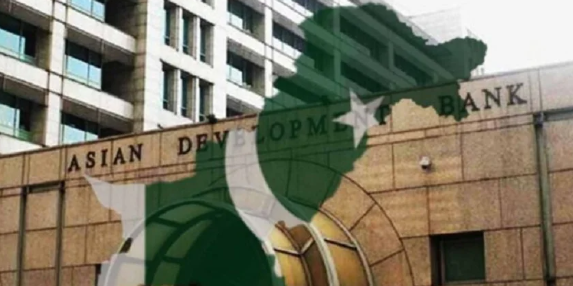
That explains why, after the International Monetary Fund (IMF), even the Asian Development Bank (ADB) approved a USD 800 million aid to Islamabad on Tuesday, despite New Delhi’s vehement opposition.
The ADB became the second multinational lender after Operation Sindoor from where Pakistan managed to get funds despite India’s strong opposition. On May 9, even before the so-called ‘ceasefire’, the IMF approved the disbursement of a second tranche of around USD 1.3 billion under the Extended Fund Facility (EFF) arrangement, and an arrangement under the Resilience and Sustainability Facility (RSF), with access of about USD 1.4 billion, the media reported on Wednesday.
Ironically, the ADB’s decision came soon after AIMIM MP Asaduddin Owaisi, and other visiting Indian delegates, urged Saudi Arabia and Muslim countries last week to ensure that Pakistan returns to the grey or even the black list of the Financial Action Task Force (FATF), the global watch dog for terror funding and money-laundering, because of its relentless support and sponsorship of internationally-proscribed terrorist groups.
India expressed deep concerns regarding the potential misuse of ADB’s financial resources, particularly in the light of Pakistan’s increasing defence expenditure, its declining tax-to-GDP ratio, and the lack of demonstrable progress on key macroeconomic reforms.
“India highlighted that Pakistan’s tax collection as a share of GDP declined from 13 percent in FY18 to 9.2 percent in FY23 and continues to remain way lower than the Asia and Pacific average of about 19 percent. However, there has been significant increase in defence spending in the same period,” the reports said.
“India expects the ADB management to adequately ring-fence its financing to Pakistan, to prevent any misuse.”
Pakistan’s poor track record of implementation stems from its all-powerful military’s deeply entrenched interference in economic and foreign affairs, posing risks of policy slippages and reversal of reforms as in the past.
“Even when a civilian government is in power, as it is now, the army continues to play an outsized role in domestic politics and spreads its tentacles deep into the economy,” an official said, adding that the situation has not changed for the better; rather the Pakistan Army now plays a leading role even in the Special Investment Facilitation Council of Pakistan.
India also highlighted that the economic fragility of Pakistan which poses credit risks to the ADB too. Pakistan’s continued reliance on external debt raises concerns about the long-term sustainability of future exposures, especially in view of the high debt-to-GDP ratio and poor credit rating of the country.
“India urged ADB to be vigilant to safeguard the bank’s financial health and long-term prospects,”