


Virendra Pandit
New Delhi: At least 44 US lawmakers, both from the ruling Republican and Opposition Democratic Party, have asked Secretary of State Marco Rubio to impose immediate visa bans and asset freezes on senior Pakistani officials, alleging transnational repression, election irregularities, and the detention of opposition leaders, including former Prime Minister Imran Khan, the media reported on Thursday.
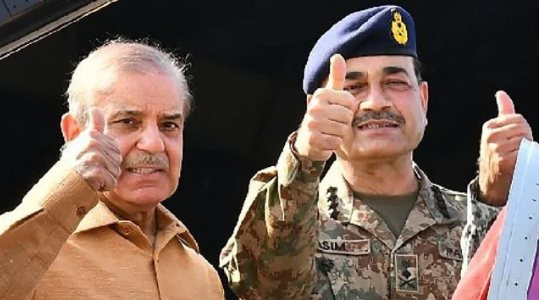
They also directly named Prime Minister Shehbaz Sharif’s military-backed government and “Field Marshal” Syed Asim Munir for “escalating campaign against transnational repression” and a worsening human rights environment in Pakistan.
The bipartisan letter, released on Wednesday, called for visa bans and asset freezes on officials believed to be “orchestrating threats against US citizens” and residents who criticise Pakistan’s military establishment.
“In recent years, US citizens and residents who have spoken out against authoritarian abuses in Pakistan have faced threats, intimidation, and harassment — often extending to their families in Pakistan. These tactics include arbitrary detentions, coercion, and retaliatory violence, targeting diaspora individuals and their relatives,” the lawmakers wrote, cataloguing cross-border tactics used to silence dissent.
They warned that the problem is not limited to harassment of diaspora critics. “This authoritarian system in Pakistan is sustained through relentless repression. Opposition leaders are held without charge, denied fair trial, and kept in indefinite pretrial detention. Independent journalists are harassed, abducted, or forced into exile. Ordinary citizens are arrested for social media posts, while women, religious minorities, and marginalised ethnic groups—particularly in Baluchistan—face disproportionate violence and surveillance,” the letter stated.
The US lawmakers also cited the 2024 elections and independent monitoring as a key indicator of democratic backsliding.
“The 2024 election –widely condemned for irregularities and documented in the Pattan Report, an independent Pakistani civil society study monitoring election irregularities—installed a pliant civilian facade. The US State Department echoed these concerns, publicly expressing alarm over reported irregularities and calling for a full investigation into the electoral process. These developments are emblematic of a broader authoritarian crackdown,” the letter read.
The bipartisan congressional group also pressed for the release of political prisoners, naming former Prime Minister Imran Khan and others held in detention. They argue that sanctions targeted at officials “credibly perpetrating systematic repression, transnational repression, and undermining judicial independence” would both protect Americans abroad and reaffirm US support for human rights and the rule of law.
“We urge the Administration to swiftly impose measures, such as visa bans and asset freezes, against officials credibly perpetrating systematic repression, transnational repression, and undermining judicial independence. Such steps, alongside calls for the release of former Prime Minister Imran Khan and other political prisoners, would reinforce US commitment to human rights, protect American citizens from transnational repression, and promote regional stability,” the letter concluded.