


Virendra Pandit
New Delhi: India’s ‘advertising god’ Piyush Pandey, who gave some of the most unforgettable advertisements and slogans, breathed his last on Friday.
He was 70. He is survived by his wife, Nila, sister Ila Arun, and brother Prasoon Pandey, the media reported.
Several prominent personalities, including Prime Minister Narendra Modi and Union Minister Piyush Pandey, have mourned the death of one who became the soul of Indian advertising over the years.
The face of Ogilvy India for over four decades, Pandey was widely regarded as one of India’s most influential advertising figures. He revolutionized the industry by moving away from English-heavy campaigns to narratives that reflected everyday life and emotions, deeply resonating with the Indian audience.
Born in Jaipur, Pandey, the creative force behind dozens of highly successful campaigns, including Mile Sur Mera Tumhara in the late 1980s to Bharatiya Janata Party’s Ab ki Baar Modi Sarkar, Cadbury’s Kuch Khaas Hai, and Asian Paints’ Har Ghar Kuch Kehta Hai, passed away on Friday morning in Mumbai.
With an uncanny understanding of Indian consumers, he crafted some of the country’s most iconic campaigns, transforming several brands into household names.
A Padma Shri awardee (2018) and the face of Ogilvy India for over four decades, Pandey knew the pulse of India and Indians, mingled with them like a common man, and became a top storyteller who gave some of the timeless slogans and advertisements.
In recent years, the slogan he coined for the BJP, Ab Ki Baar, Modi Sarkar, promoted the then Gujarat Chief Minister Narendra Modi in 2014 as the strong and decisive candidate for prime ministership. It was used extensively, in India and overseas, on posters, TV spots, rallies, print media, and digital campaigns. Ads featured visuals of Modi addressing crowds, stressing development and strong governance. The slogan quickly became a chantable, memorable phrase that energised scores of supporters.
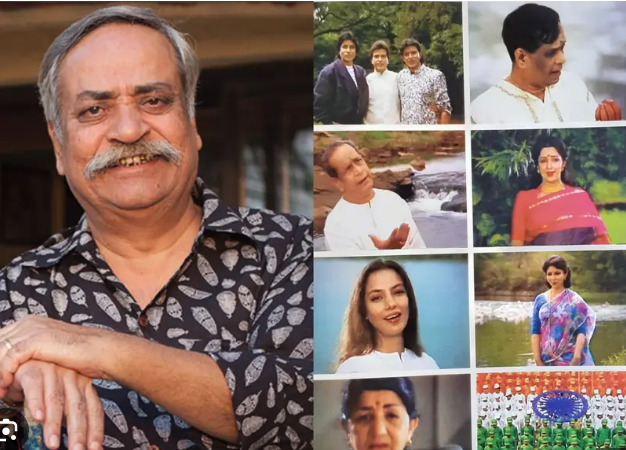
His 1988 campaign, Mile Sur Mera Tumhara, which showcased India’s top icons, promoted national integration and unity in diversity. The ad featured prominent Indian personalities from different regions, religions, and languages singing together against scenic backdrops of India. It combined music, visuals, and subtitles to show how diverse cultures could come together, making it a patriotic anthem for generations.\
Pandey will also be remembered for many of corporate advertisements which became part of household talks. The Cadbury Dairy Milk’s Kuchh Khaas Hai, for example, focused on celebrating joy, sharing, and small celebrations with chocolate. They showed families, couples, and friends exchanging chocolate during happy moments.
Another, Fevicol Ka Jod Hai, Tutega Nahin, became a byword for strong bonding power of adhesives.
He also promoted Fevikwik’s Todo Nahin, Jodo campaign as a quick-fix adhesive for bonding rather than breaking. His 40-second spot, premiered during the India–Pakistan ICC World Cup 2015 match, showed people mending broken items humorously with Fevikwik instead of discarding them.
Pandey also created some of the most unforgettable lines on social issues. For example, his Do Boond Zindagi Ki phrase for polio awareness became a popular theme for children’s health. These ads aimed at encouraging parents to vaccinate children against polio. They also featured Bollywood stars like Amitabh Bachchan, Jackie Shroff, and Aishwarya Rai, demonstrating the easy two-drop polio vaccination. Emotional storytelling and celebrity appeal were used to build trust and motivate action among parents.