


Virendra Pandit
New Delhi: US President Donald Trump on Wednesday announced a 100 percent tariff on imported computer chips and semiconductors, raising fears of higher prices of electronics, vehicles, and appliances, the media reported on Thursday.
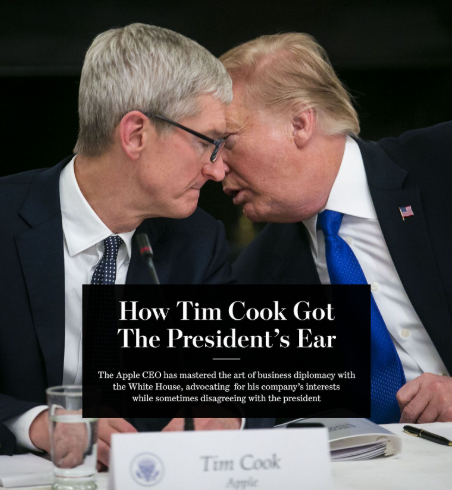
His announcement after a meeting with Apple CEO Tim Cook and signals a major shift from the Biden-era CHIPS Act, favouring tariffs over subsidies to spur domestic manufacturing.
President Trump, who, according to the media reports, has never been seen using a computer, and still relies on pen and paper, said on Wednesday, “We will be putting a tariff of approximately 100 percent on chips and semiconductors.”
“But if you are building in the United States of America, there is no charge.”
The announcement came more than three months after Trump temporarily exempted most electronics from his administration’s most onerous tariffs.
The Republican leader said companies that make computer chips in the US would be spared the import tax. During the COVID-19 pandemic, a shortage of computer chips increased the price of autos and contributed to higher inflation.
Investors seemed to interpret the potential tariff exemptions as a positive for Apple and other major technology companies that have been making huge financial commitments to manufacture more chips and other components in the US.
Technology behemoths have already committed to invest about USD 1.5 trillion in the US since Trump returned to the White House in January. That includes a USD 600 billion promise from Apple after the iPhone maker boosted its commitment by tacking another USD 100 billion on to a previous commitment made in February.
The demand for computer chips has been climbing worldwide, with sales increasing 19.6 percent in the year-ended in June, according to the World Semiconductor Trade Statistics organisation.
Trump’s tariff threats mark a significant break from existing plans to revive computer chip production in the US that were drawn up during the administration of President Joe Biden.
Since January 2025, Trump has been deploying tariffs to incentivise more domestic production. Essentially, he is betting that the threat of dramatically-higher chip costs would force most companies to open factories domestically, despite the risk that tariffs could squeeze corporate profits and push up prices for mobile phones, TVs and refrigerators.
By contrast, the bipartisan CHIPS and Science Act that Biden signed into law in 2022 provided more than USD 50 billion to support new computer chip plants, fund research and train workers for the industry. The mix of funding support, tax credits and other financial incentives were meant to draw in private investment, a strategy that Trump has vocally opposed.