ICC Reworking Accreditation Requests from Bangladesh Journalists to Cover T20 World Cup in India




Manas Dasgupta
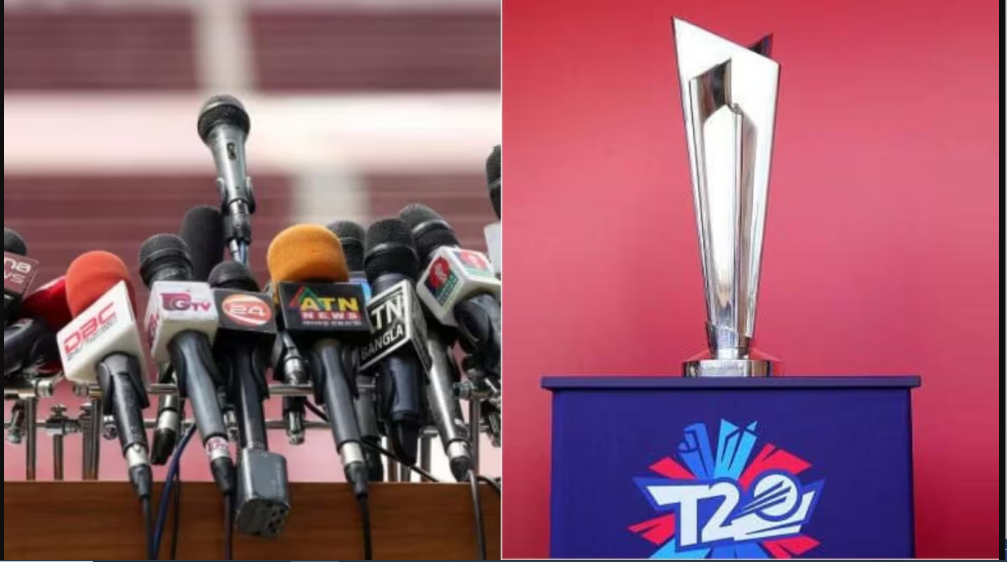
NEW DELHI, Jan 27: The International Cricket Council set the record straight on Tuesday reworking the media accreditation process for Bangladesh journalists wishing to cover the T20 World Cup in India after the withdrawal of its national team citing security concerns in the neighbouring nation.
The ICC is changing the application process even as some of the Bangladesh journalists claimed that their accreditation request was rejected by the world body. “There is a reworking of the process since there is a change in the number of requests and the schedules. The accreditation lists are being worked out accordingly,” ICC sources said.
Roughly 80-90 Bangladeshi journalists applied for the media accreditation and sources said, even if their team was participating in the ICC event, not all requests could be accommodated. “If you go by country quota, you can’t exceed the number beyond 40. The ICC goes by the recommendations of the home board and accordingly takes a call on applications,” sources added.
Bangladesh was replaced by Scotland in Group C. This was the first time any team had been asked to leave the tournament this close to the start of the competition. Days after the dust began to settle, the ICC found itself in another controversy after Aapon Tariq, Sports Editor at Barta24.com claimed that his accreditation request had been rejected. “I have covered 8 to 9 ICC World Cups. This was the time first time my application was rejected. We are awaiting clarity from BCB before reapplying,” another senior Bangladeshi journalist said.
According to several reports, 80 to 90 Bangladeshi journalists have been denied permission to travel to India to cover an ICC event. However, the ICC on Tuesday came clean, saying the body is just reworking the entire process after Bangladesh were replaced by Scotland in the T20 World Cup.
Even if Bangladesh were part of the competition, it is reliably learnt that accrediting all 80 and 90 journalists would not have been possible, given the number of applications from all over the world for the global event.
Earlier, the BCB media committee chairman, Amjad Hossain, spoke to the media in Dhaka, saying he has taken notice of the matter and has promptly raised it with the ICC. “The decision came only yesterday, and we have sought to know [the details]. An explanation has been requested. This is an internal and confidential matter, but to summarise, we wanted to know why this was done,” Hossain told reporters in Dhaka.
Earlier, the standoff between the BCB and ICC concluded with the latter putting its foot down and replacing Bangladesh with Scotland after the former refused to tour India and play matches in Kolkata and Mumbai.
According to the ICC’s independent assessment, there was no real security threat to Bangladesh in India, yet the BCB still decided not to travel following Mustafizur Rahman’s exclusion from the IPL. Ever since the Bangladesh pacer was left out by the Kolkata Knight Riders (KKR), the BCB were adamant in their demand to play the T20 World Cup matches in Sri Lanka instead of the pre-decided India.
Meanwhile, the cricketing world stands on edge as the Pakistan Cricket Board (PCB) contemplates a potential full boycott of the T20 World Cup 2026. Triggered by solidarity with Bangladesh, after the ICC replaced the Tigers with Scotland following their refusal to travel to India, Pakistan Cricket Board (PCB) chief Mohsin Naqvi held a meeting with the country’s Prime Minister Shehbaz Sharif on Monday, though a decision on the subject has been postponed to the end of the week, at least.
However, beyond the political rhetoric lies a harsh reality. For Pakistan, a boycott isn’t just a protest, it is a potential suicide mission. Mr Naqvi has iterated multiple times that the final decision of the team’s participation in the T20 World Cup rests in the hands of the government. Even as the selectors announced Pakistan’s 15-man squad for the tournament, the management said the government was yet to give the team the necessary go-ahead.
In case Pakistan finally decides to pull-out of the T20 World Cup to express solidarity with Bangladesh, it would face several sanctions from the ICC. Every Full Member of the International Cricket Council (ICC) signs a Tournament Participation Agreement (TPA) long before a mega-event begins. By withdrawing at the eleventh hour, Pakistan would be in direct breach of this legally binding contract.
The ICC has already signalled that such a breach would lead to the withholding of Pakistan’s annual revenue share, estimated at USD 34.5 million (approx. Rs. 316 crore). For a board already navigating a fragile economy, losing nearly 6% of the ICC’s total revenue pool could push the PCB toward financial ruin that it would not be able to recover from.
The ICC sanctions for “political interference” are extensive. If the boycott is seen as being staged solely on government advice, the ICC may view it as an attempt to “weaponise” sport. The resulting sanctions could include:
Suspension from Global Cricket: Much like what happened with Zimbabwe and Sri Lanka in the past.
Asia Cup Exclusion: The Asian Cricket Council (ACC) often mirrors ICC stances. A boycott could see Pakistan stripped of its spot in future Asia Cups, even as PCB chairman Mohsin Naqvi heads the continental body.
Loss of Hosting Rights: Pakistan is currently slated to host major events like the 2028 Women’s T20 World Cup. A boycott would almost certainly see these rights revoked.
The Pakistan Super League (PSL) is the flagship T20 league of Pakistan’s domestic cricket. However, its success depends entirely on the participation of overseas stars. If Pakistan boycotts a world event, the ICC and other member boards (like Cricket Australia or the ECB) could retaliate by refusing No Objection Certificates (NoCs) for their players to participate in the PSL, on the instruction of the global body.
Cricket economy is built on a bilateral calendar. By disrupting a World Cup — the ICC’s primary source of revenue — Pakistan risks alienating the very boards it needs to keep itself afloat. Without home tours from major nations, the PCB’s primary source of independent income would evaporate.