


Virendra Pandit
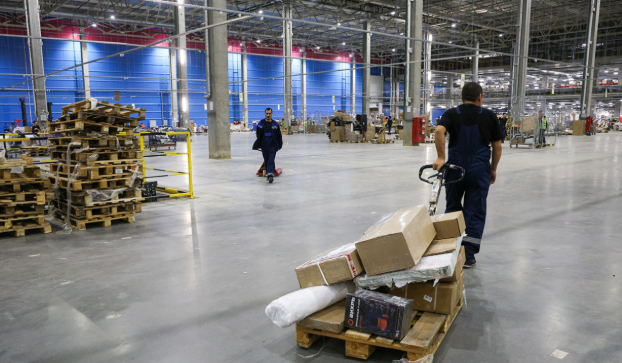
New Delhi: Facing an acute shortage of skilled workers in the wake of its ongoing “special military operations” against Ukraine, launched on February 24, 2022, Russia has decided to ‘import’ up to one million skilled Indians this year to fill its widening industrial labor gap.
Russia was also considering inviting labourers from Sri Lanka and North Korea.
The increasing labor shortage is partly due to military deployment and a lack of local interest in industrial jobs, the media reported on Monday.
Russia plans to bring in up to one million Indian skilled workers by the end of 2025 to address severe labour shortages in its industrial regions, including the Sverdlovsk area.
“As far as I know, by the end of the year, 1 million specialists from India will come to Russia, including the Sverdlovsk region. A new Consulate General is opening in Yekaterinburg, which will deal with these issues,” Andrey Besedin, Head of the Ural Chamber of Commerce and Industry, told the RosBusinessConsulting (RBC) news agency.
These Indians would fill the shortage of a highly qualified workforce in the Sverdlovsk region.
Sverdlovsk, with the capital Yekaterinburg, is situated in the Ural Mountains and is home to Russian heavy industry and military-industrial complex, including world-famous Uralmash and T-90 series tank maker Ural Wagon Zavod.
Besedin emphasized that industrial enterprises needed to increase production volumes, but the region faced a shortage of skilled workers.
Some workers are deployed in the military operation in Ukraine, and young people do not go to factories, he said.
Indian workers started reaching Russian enterprises in 2024, particularly at the Kaliningrad fish processing complex “Za Rodinu” to replenish labour.
According to the RBC news agency, the Russian Ministry of Labour predicted a workforce shortage of 3.1 million people by 2030. It proposed an increase in the quota for inviting qualified foreign workers in 2025 by 1.5 times to 0.23 million people.
Russian industrial enterprises attracted 47,000 qualified migrants from non-CIS countries in 2024.
The Ministry of Economic Development also called for expanding the geography of attracting workers from other countries.
However, Russian authorities tightened migration legislation to curb the influx of migrants from the former Soviet republics after the terrorist attack at the Crocus City Hall in Moscow on March 22, 2024.