


Manas Dasgupta
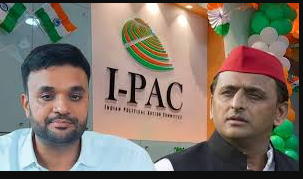
NEW DELHI, May 6: Taking a cue from the Trinamool Congress (TMC) and DMK’s rout in West Bengal and Tamil Nadu respectively in the just-concluded state Assembly elections, the Samajwadi Party (SP) chief Akhilesh Yadav has decided to cut its ties with the election management firm I-PAC for the next year’s Assembly elections in Uttar Pradesh.
The decision was announced by Mr Yadav on Wednesday, but attributed the decision to the “paucity of funds” with the party and would not admit that the reversal of the elections in West Bengal and Tamil Nadu may have influenced it.
According to sources, I-PAC, set up by poll strategist Prashant Kishor, who is no longer associated with the group – was supposed to work in constituencies where the margin of defeat in the 2022 election was narrow. The group had also ditched the TMC, possibly under force, as at the last moments of the West Bengal elections it ordered its staff to withdraw from all poll duties, including from manning the polling booths or represent the party at the counting centres.
However, Akhilesh Yadav’s party will reportedly continue working with a second election management and social media firm – Showtime – in accordance with a contract signed around two months ago. In a lighter vein, Yadav, when pressed on why the I-PAC deal was scrapped, joked: “We simply don’t have funds. If you (the media) give us funds, we can hire another company.”
This comes after the Trinamool Congress and the Dravida Munnetra Kazhagam – two opposition parties I-PAC worked with in the build-up to last month’s Bengal and Tamil Nadu elections – slipped to massive defeats. The Trinamool was thumped by the BJP – which won 207 of the state’s 294 seats – and the DMK was undone by superstar Vijay’s new Tamilaga Vettri Kazhagam. The fact Trinamool boss Mamata Banerjee and her DMK counterpart, MK Stalin, both lost their seats – despite contesting from strongholds – underlined the scale of these defeats.
However, Akhilesh Yadav dismissed speculation the break-up with I-PAC was connected to these election results. “Yes, we had an association (with them). They worked with us for a few months, but we are not able to continue because we do not have that kind of funding,” he said.
The break-up also follows the arrest of Vinesh Chandel, who co-founded the firm with Prashant Kishor and others, in a money laundering case linked to the alleged coal scam in Bengal.
Chandel was arrested early April by the Enforcement Directorate after raids on his Delhi property. The federal agency alleged a ‘hawala’ operator linked to the alleged smugglers helped move tens of crores of rupees to Indian PAC Consulting Pvt Ltd, the firm that runs I-PAC.
The ED also claimed I-PAC created a model to circulate these funds and convert the black money into white. I-PAC allegedly received payments in two ways – half through banking channels (cheques/online transfers) and the other half via cash, or non-banking channels. Chandel was released on bail the day after polling in all the states concluded on April 29.
Despite Yadav’s assertions to the contrary, sources said Chandel’s arrest and the Bengal and Tamil Nadu results have given the Samajwadi Party pause before a critical state poll. The 2027 election could prove to be a make-or-break exercise for Akhilesh Yadav and his outfit, who are widely seen as the only credible opposition against the ruling BJP.
Indeed, after Mamata Banerjee’s defeat in Bengal, the DMK being removed from power in Tamil Nadu – albeit by actor Vijay’s TVK rather than the BJP – and Arvind Kejriwal losing control of Delhi, the list of senior opposition leaders standing against the BJP is dwindling rapidly.
However, Chandel’s arrest led to questions about I-PAC’s ability to manage poll campaigns. Reports indicate the firm had even begun scaling back operations in these states in the final weeks of the campaign, possibly in response to pressure from the ED over its investigation.
It even downsized teams in its UP offices, reports said, putting a crimp in the Samajwadi Party’s poll prep plans. Feedback from the party’s ground units also played a role in the final decision.