


Manas Dasgupta
NEW DELHI, Oct 27: The Election Commission of India on Monday announced the phase two of the “Special Intensive Revision” (SIR) of electoral rolls in 12 states and union territories including the states going to the polls next year, barring Assam where the notifications for the SIR would be issued separately.
“The second phase of voter roll revisions will be held in 12 states and union territories – including Bengal and Tamil Nadu, both of whom will vote in high-profile elections next year and Uttar Pradesh, which will vote in 2027 – and will start after next month’s Bihar poll,” the Election Commission said Monday.
The 12 states and UTs where the Special Intensive Revision (SIR) would be taken up in the second phase include Andaman and Nicobar Islands, Goa, Puducherry, Chhattisgarh, Gujarat, Kerala, Madhya Pradesh, Uttar Pradesh, Rajasthan, West Bengal, Tamil Nadu, and Lakshadweep, currently having a total of about 51 crore voters.
The SIR process would start from Tuesday when the printing of the enumeration forms would begin but the enumeration stage in each state listed in the second phase would be between November 4 and December 4. Draft rolls will be released on December 9, the EC said. Voters struck from the rolls can file appeals from date of publication of draft rolls to January 8 and the appeals would be heard till January 31. The final revised voter list will be published on February 7.
The ECI took stock of the preparedness of all States and Union Territories for the pan-India SIR, at the two-day conference of Chief Electoral Officers (CEO) that concluded in New Delhi on Thursday.
“In the 12 states going for the Special Intensive Revision (SIR), there are around 51 crore voters. A total of 5.33 lakh BLOs will be working on it, along with over 7 lakh BLAs appointed by political parties. Printing and training will begin from tomorrow till November 3, followed by house-to-house enumeration from November 4 to December 4.
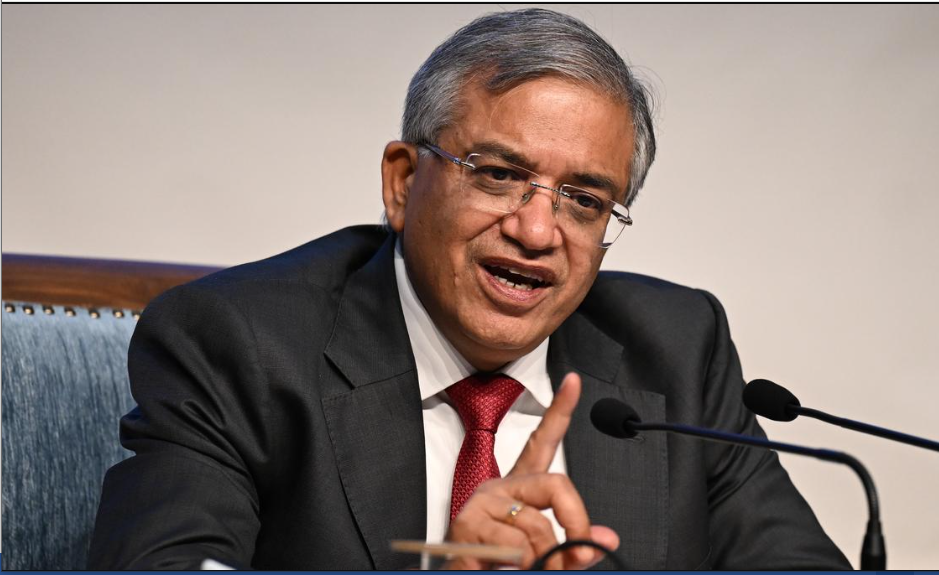
“The draft electoral rolls will be published on December 8, 2025, with claims and objections accepted from December 9, 2025, to January 8, 2026. Hearings for those served notices will continue till January 31, and the final electoral rolls will be published on February 7,” the Chief Election Commissioner Gyanesh Kumar said.
The ECI said the enumeration forms would be given to each voter. The first phase of this nationwide ‘special intensive revision’ of voter lists was conducted over June and July in Bihar, an exercise the poll body said was completed with the publication of the final roll on September 30. There were “zero appeals” against ‘wrongful deletions’, the EC said.
The ECI also said revision of electoral rolls in Assam would be announced separately. No SIR was announced for the State in this phase despite Assembly elections in Assam in 2026. Asked in the media conference why Assam was left out despite going to the polls next year, the Chief Election Commissioner Gyanesh Kumar said the citizenship rule for Assam “differs from the rest of the country.” “So there will be separate revision orders issued for Assam and a separate SIR date will be announced,” he said.
Pointing out that the voters in Bihar “participated in the SIR process enthusiastically and there was not a single appeal was filed,” Mr Kumar said the enumeration form of SIR this time would be different from the Bihar SIR, Kumar said. Voter lists will be frozen tonight in the states where phase two of SIRs will be held.
All Chief Electoral Officers and District Electoral Officers have been directed to meet political parties and brief them on the SIR process by day after tomorrow, Mr Kumar said. Training of polling officials for Phase-II of SIR to begin on Tuesday. SIR would ensure no eligible elector was left out and no ineligible elector was included in poll rolls, he added.
“As per law, electoral rolls have to be revised before every election or as per requirement,” Mr Kumar said pointing out the opposition, which had questioned the timing of the Bihar voter list revision, coming as it did less than six months before the election, had also “been raising issues relating to the quality of voter rolls.”
“SIR have already been done eight times from 1951 till 2004. The last SIR was done more than 21 years ago…from 2002 to 2004,” Kumar said. “Many changes in electoral rolls have occurred (since) due to frequent migration, which may have resulted in voters getting registered in more than one place,” he explained.
Other reasons why a voter list refresh may be needed are to remove the names of those who have died or those whose names may have been wrongfully included, such as foreigners. Back in September the EC had said it would conduct a national SIR in the entire country “for the discharge of its constitutional mandate to protect the integrity of electoral rolls.”
The first step in that was the revision of voter lists in Bihar, which though was not without problems with the Supreme Court having to direct the poll body to include Aadhaar in the list of ‘indicative documents’, any of which can be submitted as proof of identity to seek inclusion or exclusion from the voter rolls. The court over-ruled the EC’s reservations about forgery, and called for ‘en masse exclusion’ instead of ‘en masse inclusion’.
Ultimately, nearly 65 lakh voters – from a total of 7.24 crore – were excluded. The opposition claimed the Bihar SIR was aimed at mass disenfranchisement, particularly of poor and minority communities who might support them, in the build-up to this election.
Congress MP Rahul Gandhi led that charge, producing data from Karnataka and Maharashtra to claim collusion between the EC and the BJP to deliver massive wins for the ruling party. Both the EC and the BJP firmly rubbished such claims and demanded the opposition furnish proof of its allegations in court.
Jammu and Kashmir Chief Minister Omar Abdullah on Monday said the Election Commission should not rush to carry out a nationwide SIR of electoral rolls, but rather wait for the Bihar assembly election to get over.
Speaking to reporters in his Assembly office chamber after the House proceedings were adjourned for the day, Mr Abdullah said, “There are already apprehensions about SIR in Bihar. It is not clear yet whether there will be any benefits of this exercise for those undertaking it.” “Let the elections in Bihar be completed, then we will see whether it was beneficial at all. Then we can talk about implementing it in the rest of the country,” he said.