


Manas Dasgupta
NEW DELHI, Apr 25: Efforts to revive dialogue between the United States and Iran in Islamabad appear to be slipping away, with fresh reports indicating that Tehran is still not prepared to meet the visiting American delegation.
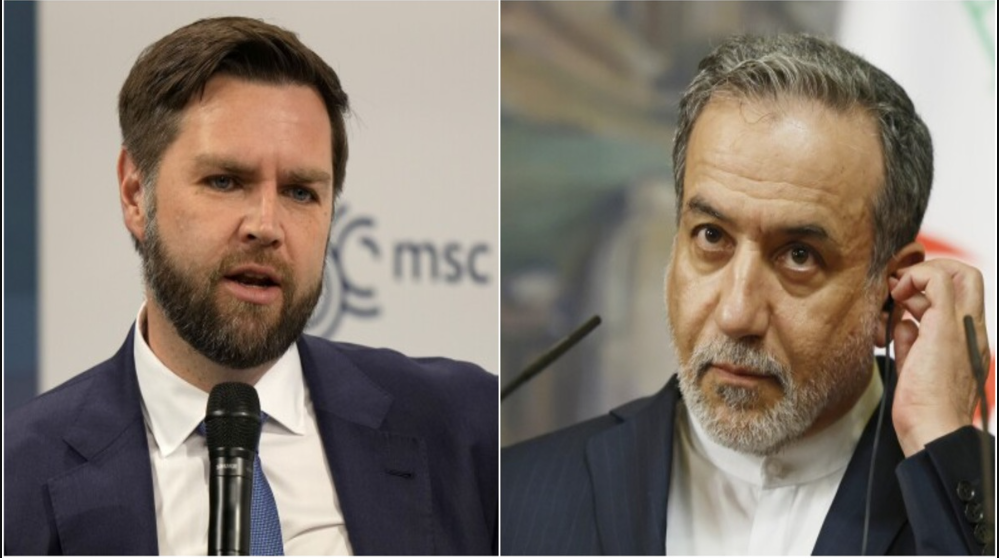
After meeting with Pakistan’s political brass, Iranian foreign minister Abbas Araghchi and other members of the delegation left Islamabad on Saturday, even as the US delegation is yet to arrive in the Pakistani capital.
Media reports said Araghchi had earlier in the day met Pakistan Prime Minister Shehbaz Sharif and Army Chief Asim Munir, and conveyed Iran’s demands and reservations regarding US terms to the Pakistani side. Meanwhile, US envoys Steve Witkoff and Jared Kushner are yet to arrive in Islamabad. While the White House had earlier signalled direct talks between US and Iran, Tehran had clearly rejected the idea.
Media reports also said uncertainty has intensified around the scheduled meeting aimed at easing tensions in West Asia. It said the prospects for the second round of discussions have grown bleak. “Prospects for the resumption of the second round of US-Iran talks in Islamabad today are rapidly fading, as Tehran is still not ready to meet the U.S. delegation, which was expected to arrive late tonight from Washington,” he stated.
The media further noted that Iran has put forward a firm precondition linked to the strategic Strait of Hormuz, insisting that Washington must first lift the naval blockade imposed on Iranian ports. “Iran continues to insist that the Americans end their blockade of the Strait of Hormuz as a precondition for opening the second round of negotiations,” it said.
Iran’s foreign ministry spokesperson Esmael Baqaei wrote on X that “no meeting is planned to take place between Iran and the US.” He added that Pakistani officials would pass messages between both sides.
White House press secretary Karolien Leavitt told reporters that the president sent Witkoff and Kushner “to hear the Iranians out.” “We’ve certainly seen some progress from the Iranian side in the last couple of days,” Leavitt said, without giving further details on what US officials were being told. She said vice president JD Vance would not travel, but remains “deeply involved.”
Meanwhile, large areas of Pakistan’s capital remained under strict security lockdown for more than a week as of Saturday, even as uncertainty continued over the proposed second round of talks between the US and Iran. For residents, the sense of uncertainty has been the most difficult part. Islamabad is a city of transients, where many people work during the week and return to their family homes at the weekend.
On Thursday, Trump said he would not use a nuclear weapon in the conflict with Iran. Speaking to reporters at the White House, he said, “Why would I use a nuclear weapon? We’ve totally, in a very conventional way, decimated them without it.” The US President also said that nuclear weapons should never be used by anyone. When asked how long he was ready to wait for a long-term peace agreement with Iran, Trump said, “Don’t rush me.”