


Manas Dasgupta
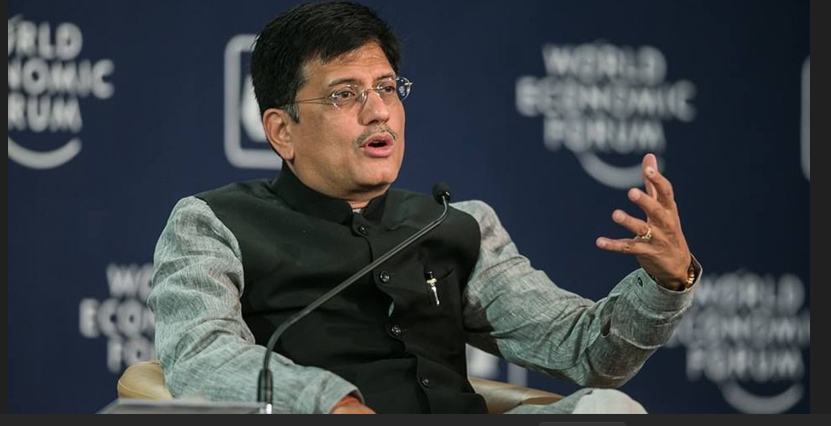
NEW DELHI, Sept 4: The Union Minister of Commerce and Industry Piyush Goyal on Thursday described the reduction in GST rates as “game-changing” and the “biggest reform” since independence and urged the industry to pass on the entire advantage to the consumers.
Urging the industry to make a strong twin commitment to the Prime Minister Narendra Modi, Mr Goyal said besides passing on ever rupee saved by the ST slash to the consumers, the industry must also actively promote Indian products and Made in India in a big way.
He stressed the need to support products made with the sweat and toil of hard-working Indians, products nurtured in the soil of India. He emphasized that when such products reach every corner of the nation, they embody not only economic value but also national pride and self-reliance. The Minister said the GST reforms would boost demand in almost all sectors and support the economic growth of the country.
The minister said rationalisation of GST slabs – from four to two, and exemption of certain items, including premiums for health and life insurance – reflect a “holistic and well thought-out” decision of the government. Mr Goyal said the timing of the GST overhaul – the announcement was made by the GST Council late Wednesday – had nothing to do with 50 per cent tariff, including a 25 per cent ‘penalty’ for buying Russian oil, imposed by the US President Donald Trump which is expected to affect nearly $48 billion in Indian exports.
He said the fact certain sectors – such as textiles, footwear, and food products, which export to the US and had been hardest hit by the tariff – could expect to benefit from the GST revision is “coincidental.” “This is a well thought-out and holistic new (tax) regime that has been brought in… it certainly could not have been done (overnight), to time it with a tariff imposed on August 27,” he said.
“… when such a large number of changes are done to rates… rationalisation, simplification of procedures… it is a labour of love of many, many months. Officers and Groups of Ministers from states, the central government… everybody has worked on this,” Mr Goyal said.
The GST rationalisation has been seen by many as the government’s measured response to Mr Trump’s tariffs, an attempt to boost domestic demand by slashing taxes on a variety of daily use and aspirational goods and services and, consequently, also push the manufacturing sector.
Sources said the rationalisation was taking place now because the government has eight years of data (GST was introduced in 2017) and wants to use that information to make the system more efficient. The rationale for retaining only the five and 18 per cent slabs, sources also said, was simple – these two account for 74 per cent of total tax revenue collected so far.
The new GST slabs, Mr Goyal also said, will certainly boost the country’s GDP, which clocked in at 7.8 per cent in Q1 of this financial year, i.e., FY2025/26. The estimate was 6.5 per cent. “GDP growth has been consistently high. We have been able to bring inflation down to 1.55 per cent (i.e., retail inflation fell to an eight-year low in July) and, very clearly, this will have a very positive impact on GDP growth,” the Commerce Minister said, noting that the expected demand and manufacturing boost from the GST revision would make India a $30 trillion economy by 2047.
The airline industry, however, has slammed the decision to raise GST on premium economy and business class air travel, which has been raised from 12% to 18% as “disappointing.” “This increase runs counter to the efforts of Indian carriers, which have been investing in their premium products to enhance the travel experience on their flights,” Sheldon Hee, Regional Vice President, Asia Pacific, International Air Transport Association (IATA) said.
Footwear major Bata India on Thursday said it has introduced its “Bata Price Promise” initiative, extending the benefit of the upcoming GST rate cut on footwear priced below ₹1,000 to customers ahead of the official September 22 rollout.
Under the scheme, prices across Bata outlets reflect a 7% reduction, with the company absorbing the differential to pass on immediate savings to buyers, the company said in a statement. Footwear has seen GST cut from 12% to 5%. “Our priority at Bata is to make fashion and comfort accessible to every consumer. By absorbing GST on select footwear, we are ensuring festive shopping starts early, is more affordable, and brings greater joy to our customers,” Bata India MD and CEO Gunjan Shah said.