


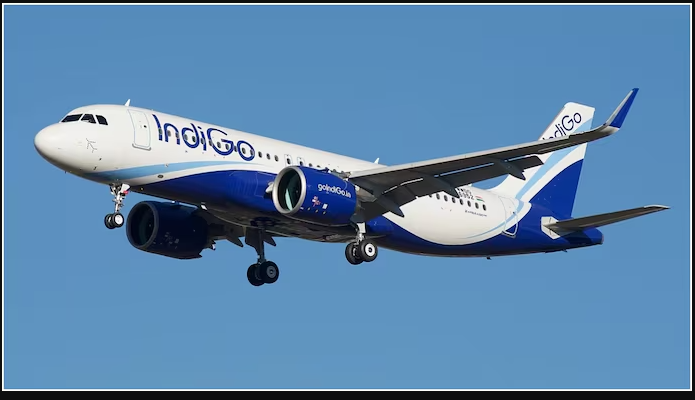
NEW DELHI, Jan 20: IndiGo will continue to operate with a 10% reduction in its flights, amounting to nearly 200 fewer services, until the end of the winter season in late March 2026, according to government officials.
The airline has informed the government that it expects to be able to implement the revised pilot norms from February 10, when the special exemption granted to it for rules that came into effect on November 1, 2025, expires. The relaxation was granted after the airline saw over 5,000 flight cancellations in November and early December 2025 due to planning gaps and overstretching of its crew, for which the Directorate General of Civil Aviation imposed a ₹22 crore penalty last week.
The airline currently has 2,400 captains against a requirement of 2,280, and 2,240 first officers compared with the 2,050 needed to operate the nearly 1,900 flights it has been flying since the government imposed a 10% cut on December 8, it informed the aviation safety regulator. The winter schedule runs from October 26, 2025, to March 28, 2026. A decision on the number of flights permitted to airlines for the summer schedule is yet to be taken.
“The DGCA continues to closely monitor the airline’s operations, with particular emphasis on roster integrity, crew availability, buffer adequacy, system robustness, and adherence to Flight Duty Time Limitation (FDTL) requirements,” a DGCA statement said.
IndiGo cancelled as many as 4,280 flights in the first nine days of December. There were 900 flight cancellations during November as well. Between November and December 7, 2025, as many as 9.5 lakh passengers were affected due to cancellations. As a result, the airline issued refunds totalling ₹827 crore until December 7.
A DGCA inquiry found that the cancellations were due to an “overriding focus on maximising utilisation of crew, aircraft, and network resources, which significantly reduced roster buffer margins. Crew rosters were designed to maximise duty periods.” Other factors included deficiencies in system software support and shortcomings in management structure and operational control on the part of the airline.
(Manas Dasgupta)