


Manas Dasgupta
NEW DELHI, Oct 31: Even as the first “Jatha” of Sikh pilgrims has received clearance from both the governments of India and Pakistan for pilgrimage to Sikh shrines in Pakistan, including Nankana Sahib, next week, confusions continued to prevail in the government corridor in Delhi whose decision it was to stop and then restart the pilgrimages now in the aftermath of the Pahalgam terror attack and deteriorating relations with Pakistan.
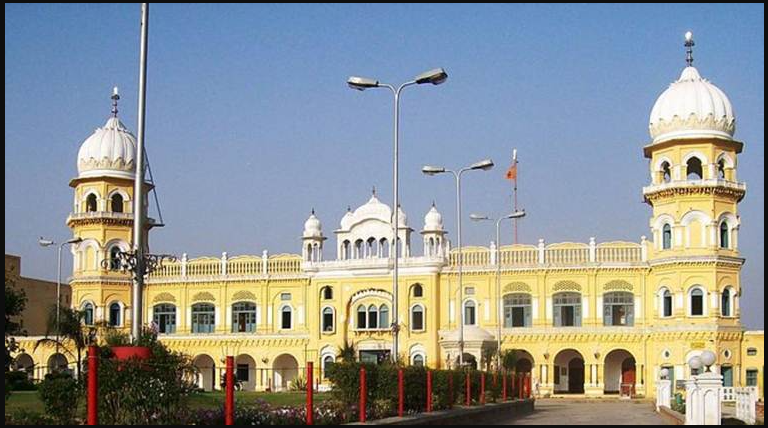
Amid tensions between India and Pakistan, a 2,100-member Sikh jatha is set to visit the neighbouring country to celebrate the birth anniversary of Guru Nanak Dev, the founder of Sikhism. The pilgrims have been issued visas for a 10-day trans-border pilgrimage starting November 4, officials said.
The first “Jatha” of 2,100 pilgrims have been issued visas by the Pakistan High Commission in Delhi after the Indian government reversed its stand, allowing the groups to travel. Of them, 1,796 pilgrims are from Punjab, while others are from Haryana, Delhi, Uttarakhand, Jammu, and Uttar Pradesh, a Shiromani Gurudwara Prabhandhak Committee (SGPC) official said on Friday. Welcoming the government’s decision to reverse its earlier ban, SGPC secretary Partap Singh thanked both the Indian and Pakistani governments for facilitating the “smooth issuance of visas to the pilgrims.”
On clearing the first “Jatha” since the Operation Sindoor, the Ministry of External Affairs (MEA) officials said the decision was taken by the Ministry of Home Affairs (MHA), while an MHA official said the applications were processed on the basis of recommendation by the State government, but added that “It is MEA which decides if the jathaas could be given clearance.”
The first “Jatha” will leave on November 4 over the Wagah border, and return on November 13. These groups, that plan to mark Sikh-founder Guru Nanak’s birth anniversary at his birthplace in Pakistan, will be the first to be allowed to travel to Pakistan since Operation Sindoor.
On September 12, just as the Jathas were planning their visit to Pakistan, normally timed around Prakash Purb, Guru Nanak’s birthday in November, the MHA sent notices to the State governments involved, to suspend all arrangements for the pilgrims.
“Considering the prevailing security scenario with Pakistan, it would not be possible to send Sikh pilgrims’ jathas (groups) to Pakistan,” said the MHA’s notice to States governments, prompting calls from the Punjab government and SGPC leaders to reconsider the decision.
Sources said the notice was rescinded less than a month later in early October, but did not explain the reasoning behind the u-turn. Both MEA and MHA officials declined to respond to questions about whether the security situation in Pakistan has now improved sufficiently for the groups to be allowed to cross the border.
In addition, while the Pakistan government said the groups would be facilitated to travel to Kartarpur Sahib as well, the Kartarpur Sahib corridor inaugurated by both countries in 2020 remained closed, indicating they will take a longer road route to reach the shrines. The MHA website for the Kartarpur Corridor states that, “considering the extant security scenario, the services of Sri Kartarpur Sahib Corridor is suspended till further directions.”
It is also unclear whether other religious travel between the two countries, suspended since the Operation Sindoor will now be permitted as well. According to the 1974 Protocol on religious exchanges, India and Pakistan agreed to facilitate groups from various religious communities to visit holy shrines in each other’s countries, and thousands of Hindus, Muslims and Sikhs in both countries avail of the agreement each year. An official said that no request has been received from Pakistan in this regard.
All existing visas to Pakistani nationals were revoked by India on April 24 after the Pahalgam attack, and the issuance of fresh visas for other travel, including for medical treatment, business and visiting relatives, still remain suspended, a move that Pakistan replicated for Indian citizens.