


Manas Dasgupta
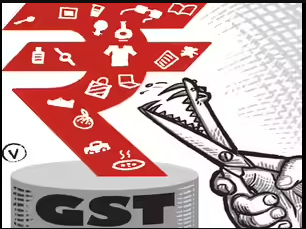
NEW DELHI, Sept 3: Promising a leaner, more consumer-friendly regime by making everyday essentials affordable while keeping luxury indulgences firmly in the high-tax bracket, the Union Finance Minister Nirmala Sitharaman on Wednesday announced the biggest rate overhaul since the introduction of the Goods and Services Tax (GST) in 2017, rolling out a simplified two-slab structure under what is being dubbed as “GST 2.0.”
The new GST rates will come into effect from September 22, the first day of the auspicious “Navratri,” the nine nights of “Shakti Puja,” which also marks the beginning of Durga Puja.
The complicated GST slabs that gave headaches to small traders after the flagship tax overhaul came into effect in 2017, was cleaned up by the government leaving only two slabs — 5 and 18 per cent. The sweeping changes cut taxes on a wide range of consumer essentials, medicines, and automobiles, while introducing a special high tax slab for luxury and sin goods.
For the common man, it means more money in hand. This, the government hopes, will be routed into the economy, giving it a significant boost. There will also be a sin tax of 40 per cent that would apply to tobacco and tobacco related products, Union Finance Minister Nirmala Sitharaman said after a meeting of the GST Council.
“These reforms have been carried out in a spirit of consensus. There shall be two slabs and we are addressing the issue of compensation cess. Rate rationalisation was a unanimous agenda,” Sitharaman said. Common household goods see some of the deepest cuts. Hair oil, toilet soaps, shampoos, toothbrushes, tableware and kitchenware will now attract just 5% GST, down from 18%.
UHT Milk, paneer and Indian breads have been exempted from GST altogether, bringing their rates down from 5% to zero. Packaged food products like namkeen, bhujiya, sauces, pasta, cornflakes, butter and ghee will now fall under the 5% slab, making snacking and cooking more affordable.
In a major relief for healthcare costs, 33 life-saving drugs and medicines will now attract zero tax, slashed from 12%. Spectacles and goggles for vision correction will also see a sharp cut—from 28% to just 5%.
Automobiles and consumer durables are among the biggest gainers. Air conditioners, dishwashing machines and TVs over 32 inches drop from 28% to 18%. All TVs now attract 18% GST regardless of size. Small cars and motorcycles below 350cc, along with three-wheelers, move from 28% to 18%. Petrol cars under 1200cc and diesel cars under 1500cc will now attract 18% GST, making them cheaper. Larger passenger vehicles such as buses, trucks and ambulances also fall under 18%, and all auto parts are unified at the same rate. Cement—a critical input for housing—will now be taxed at 18%, down from 28%, reducing construction costs significantly.
While most goods have become cheaper, a new special slab of 40% has been created exclusively for sin and super-luxury products. This category includes paan masala, cigarettes, gutkha, aerated waters with added sugar, caffeinated beverages, fruit-based drinks and other non-alcoholic beverages.
The same high rate will also apply to mid-size and large cars, bikes above 350cc, yachts and personal aircraft—ensuring that luxury and high-consumption items remain heavily taxed. Handicrafts, marble and granite blocks, as well as intermediate leather goods, now attract only 5% GST, down from 12%. Natural menthol, widely used in FMCG and pharma products, will also see its rate cut to 5%.
The revamped structure simplifies India’s indirect tax system by moving toward just two primary slabs, apart from the special 40% rate for luxury and sin goods. Economists say the reforms could soften inflation, boost consumer demand, and provide relief to core industries like housing, auto and FMCG.
However, experts caution that the Centre and states will need to closely monitor revenue implications from these sweeping cuts, which could impact fiscal balances unless compensated through cess collections or higher compliance.